
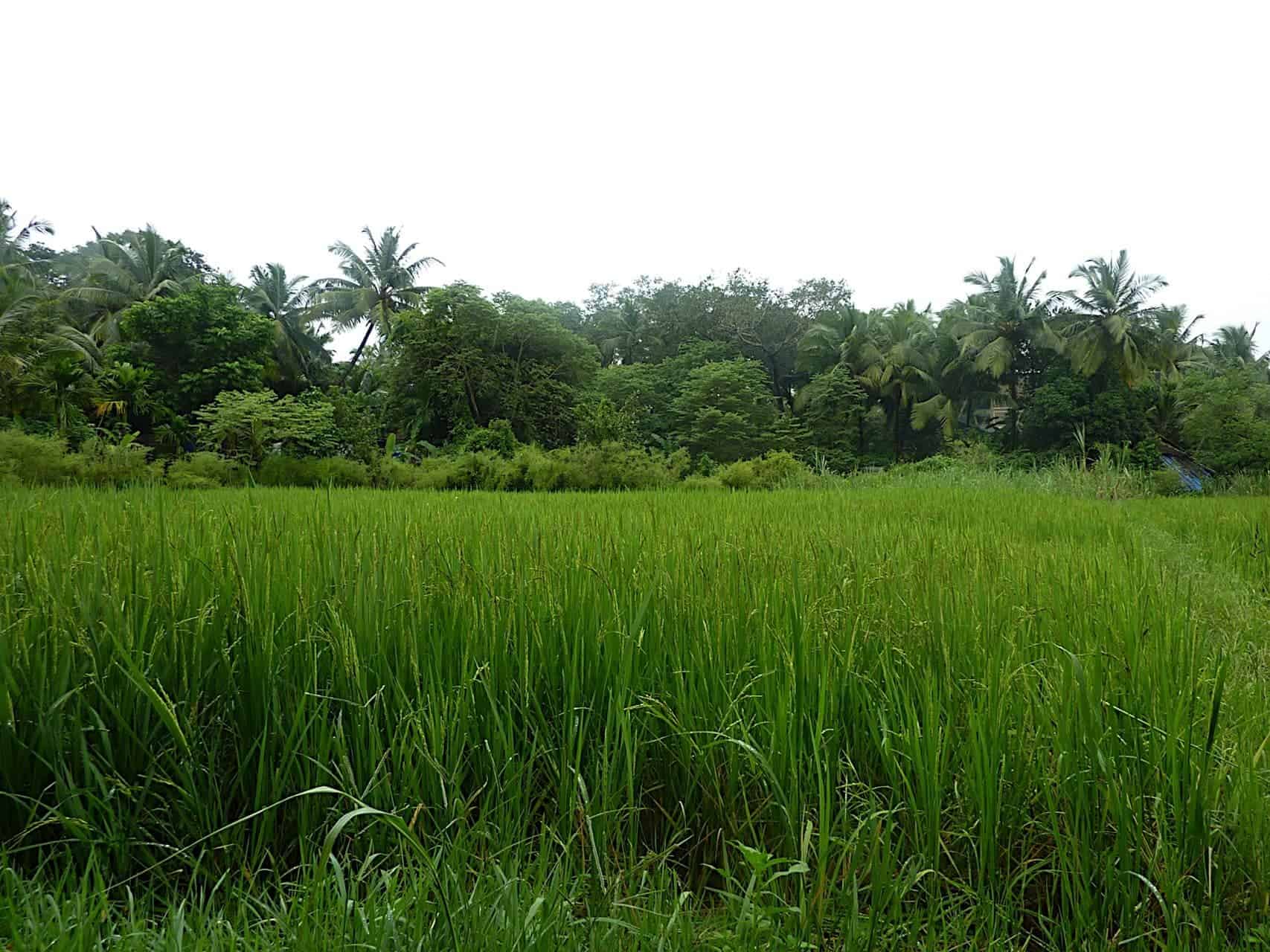
Around Diwali time, when I have eaten more motichur laddus and murukkus than I can resist, I think of ragi mudde, mainly because it is the healthiest food that I know. It checks all the boxes, and also fits the macrobiotic idea of eating locally and seasonally. Karnataka, specifically Bengaluru, is ragi heaven because a lot of the ragi grown in the state comes from Tumakuru, just outside Bengaluru.
Ragi, or finger millet (Eleusine coracana) began its journey in the highlands of Africa but now, it has made India its home as well. Millets have been cultivated in the subcontinent for millennia. While other states lay claim to ragi in their diet, Karnataka takes the (ragi) cake for the sheer variety of how ragi is used in our cuisine. We drink ragi kanji or ragi ambli. We make the usual idli, dosa, upma, roti and other tiffin varieties, virtuously mixing ragi with our atta and hittu or batter. But then, other states, including neighbouring Tamil Nadu, also do this. No other state however, has invented the ragi mudde.
What is a ragi mudde, you ask? Mudde means ball. A ragi mudde is a ball made with ragi flour. The best way to explain it is through the recipe. When I first encountered it in a village near Tumakuru, I watched a woman make it. It is a simple steaming process where you essentially beat the ragi flour or hittu, as it is called in Kannada, into submission.
Making a mudde requires muscle. First, you bring water to a furious boil, add the fine ragi flour, and then begin the naatak or theatre, in the form of determined and rhythmic stirring. This isn’t a delicate exercise with a spoon or even a ladle. It is with a special wooden stick, called the mudde kolu (stick). The goal is to beat every single lump into a state of smooth, glossy submission. We Indians have practice in this art though. Whether it is a modakam or badam halwa, we are obsessed with removing the lumps. I remember the constant instruction whenever I was stirring anything as a young girl. My grandmother would stand beside me and repeat the same instruction: No lumps, no lumps was the mantra.
Once the cooked ragi cools, you make round balls with this brown-red paste that looks and feels like baby food. The size of the balls is crucial or irrelevant depending on your point of view. It’s like saying that the number of circles in the murukku is irrelevant, or like saying, who cares that the chapati is not a perfect circle; after all, we break it off anyhow. Should a ragi mudde be a perfect round ball? We think so.
In villages, these balls are about the size of a small cannonball tree (nagalinga) fruit But in cities, they water it down to about the size of an orange; or at most, a grapefruit. Big or small, the circumference doesn’t matter. But it had better be a ball, not a misshapen object that looks like a geological crater.
What happens next is interesting. The eater takes a small piece, dunks it into a gravy of their choice, and swallows. Not chew. Swallow.
This is crucial. A mudde is never eaten alone. It is merely the vessel, the edible spoon designed to carry the pungent flavours of the saaru or accompanying gravy. Most saarus or gravies are a combination of greens and lentils, usually fresh fenugreek leaves or pretty much any other green. I recently made mine with the Malabar spinach or basale soppu, as it is called here. Eating it requires technique and finesse. You pinch a small marble-sized piece off, dip it into the gravy and swallow. It is warm, comforting and you are imbibing flavour and nutrition. It is not fluffy like rice or chewy like roti. Talk to my cook and she will say that eating mudde is their family’s “Sunday special.” Not puri-masala; not ghee-laden masala-dosai, but ragi-mudde and bas-saaru are what her kids crave. Who cares about looks when it fills your stomach and keeps it full for hours? It is the perfect grain for the semi-arid landscape of Southern Karnataka. It was the fuel that drove Tipu’s warriors, what the people of the land ate before the Green Revolution gave us polished, white sona masoori rice, devoid of nutrition.
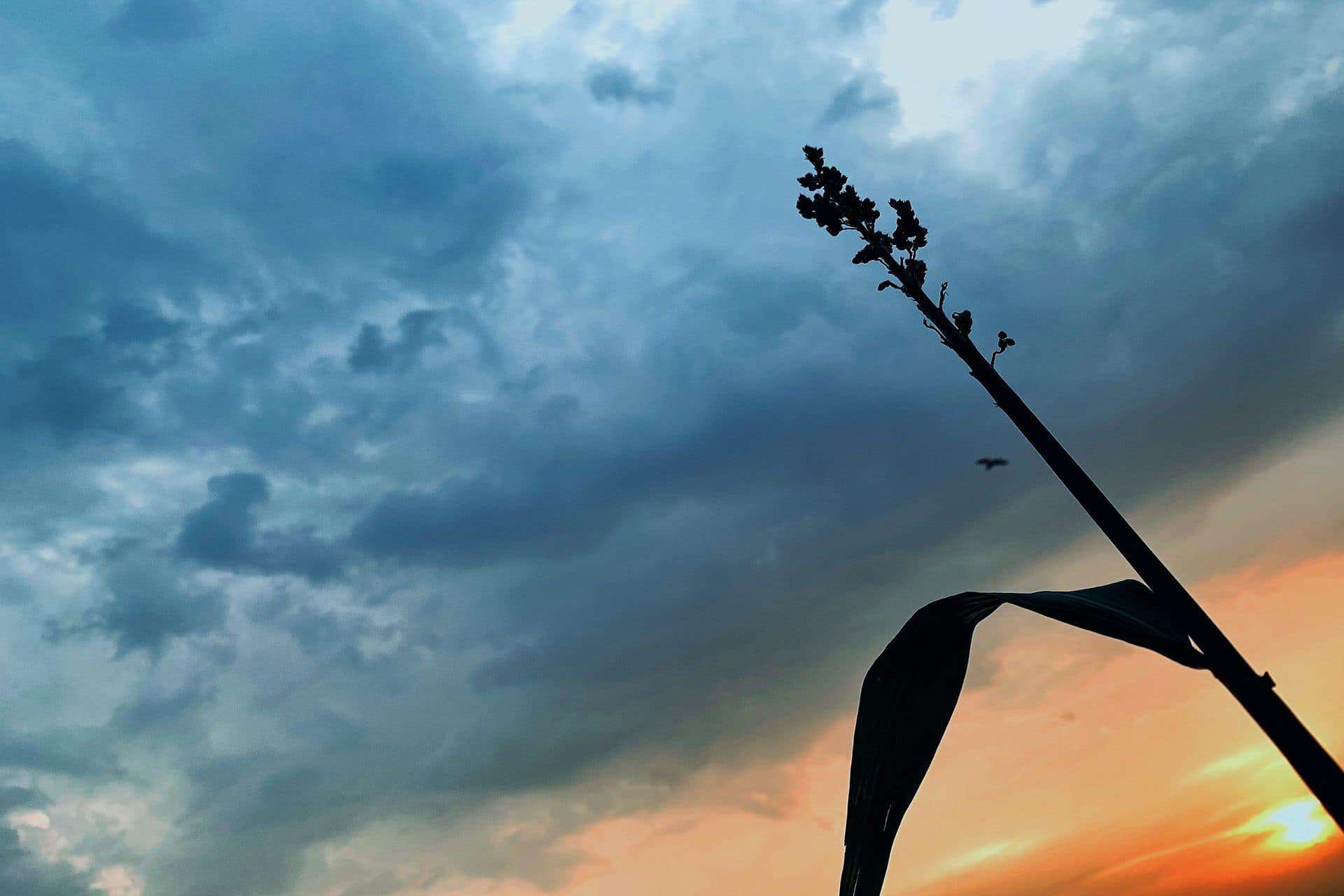
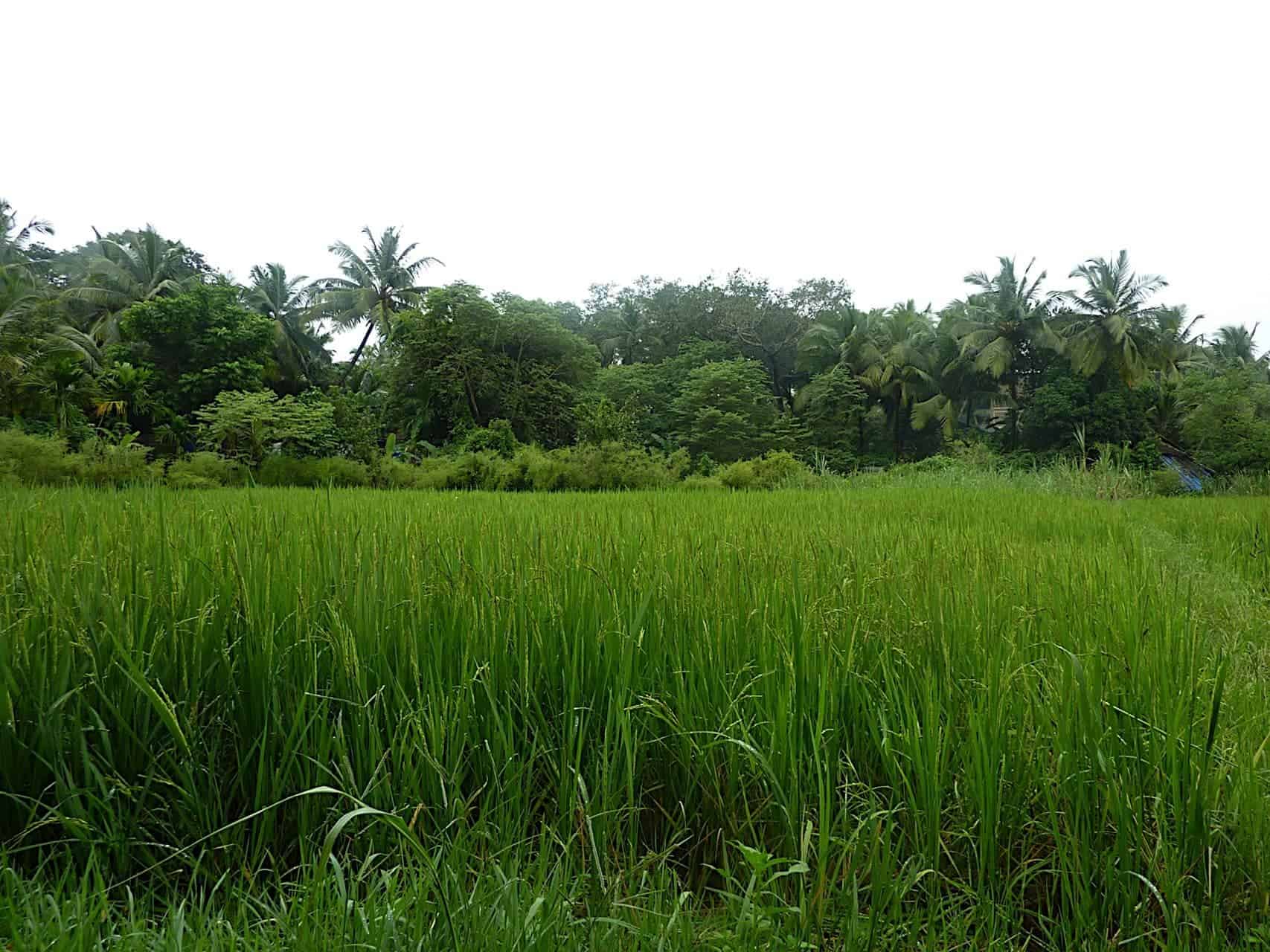
Now millets are making a comeback as a superfood because they are gluten-free, high-fibre, with a low glycemic index, and packed with calcium, iron and other nutritional benefits. The same Bangaloreans who buy quinoa in those expensive artisanal markets are now eschewing that interloping foreign grain for our own millets. The ragi, specifically, is the fairest of them all in my opinion. Well, not literally. It has this beautiful Krishna-colour when it is a grain and grinds to a whitish flour specked with black. Chic Bangalore cafes are serving it as part of millet bowls, and ragi crepes. There are ragi cookies, beer made with ragi, and even ragi pasta. But guess what? The long ragi grass must be chuckling to itself as it sways and shivers in the wind. It hasn’t changed. It remains stoic and humble. We did. We travelled the world, flirted with teff, quinoa and couscous, before finally coming back home; before realizing that the treasure we sought was here all along. The old farmer in Mandya knew it, the Kannada ajji or grandmother knew it. Now, finally, the pilates-doing acai-bowl-eating leotard-wearing wellness-warriors of Bangalore are rediscovering this ancient grain. And the humble ragi mudde is having the last laugh.
-k4lD-U204025897261YmH-250x250%40HT-Web.jpg "Shoba Narayan")
Shoba Narayan is Bangalore-based award-winning author. She is also a freelance contributor who writes about art, food, fashion and travel for a number of publications.





Leave A Comment