
Where does Karnataka’s new chief minister DK. Shivakumar like to eat? The question struck me particularly because he is vegetarian, like me, and food choices do play some role in his public persona. The people are aware that Shivakumar entertains at his home, is a strict vegetarian and has a fondness for idli.
He has also been known to visit modest restaurants across the city, including Indies365, which put him on their Instagram page. Keeping all of this in mind, here is a vegetarian’s tour of Bengaluru for the new chief minister’s consideration.
Walk down the road from Basavanagudi‘s Netakalappa Circle toward the iconic Hotel Dwaraka and you will chart an edible map of Karnataka. The outsider’s view of Bengaluru as India’s Silicon Valley sometimes robs the city of nuance. Yes, it is a migration magnet for people from Delhi, Bihar and Jaipur. However, it also attracts people from all over Karnataka, and quietly or flamboyantly, manages to balance the unique culinary identities of the state’s diverse regions. It all depends on where you live or work.
I live in Ulsoor, the Tamil area, and work in Basavanagudi, which remains largely Kannadiga — more specifically, a bastion of Old Mysuru. To Kannadigas, Mysuru means culture. It is the soul of their state, anchored in traditional Brahminical and Vokkaliga homes which rely on the bele-bella (lentil-jaggery) combination for daily food and festival feasts respectively—lentil for daily food and jaggery for feasts. To get the vibe of these neighbourhoods you need to visit their darshini-joints and for this, I invite the CM to a new place: Basavanagudi Tiffin Room, just down the road from my office in NR Colony. I will be happy to treat him to an idli-vada combo. It costs just ₹30 after all.
Ragi-mudde is a mushy ball that makes sense only if you grow up with it. Local friends see it as a wholesome comfort food that you swallow along with a saaru (a thin gravy). The CM has been known to try it often. We find outselves again at Basavanagudi, in Madappa Mudde Mess, where it is served with bas-saaru (a lentil-soup). I prefer to have tiffin at Sri Guru Koteeshwara Davanagere Benne Dose (notice the ‘e’ at the end, not ‘a’ as North Indians would have it) where a sizzling dose topped with a dollop of butter is serve.
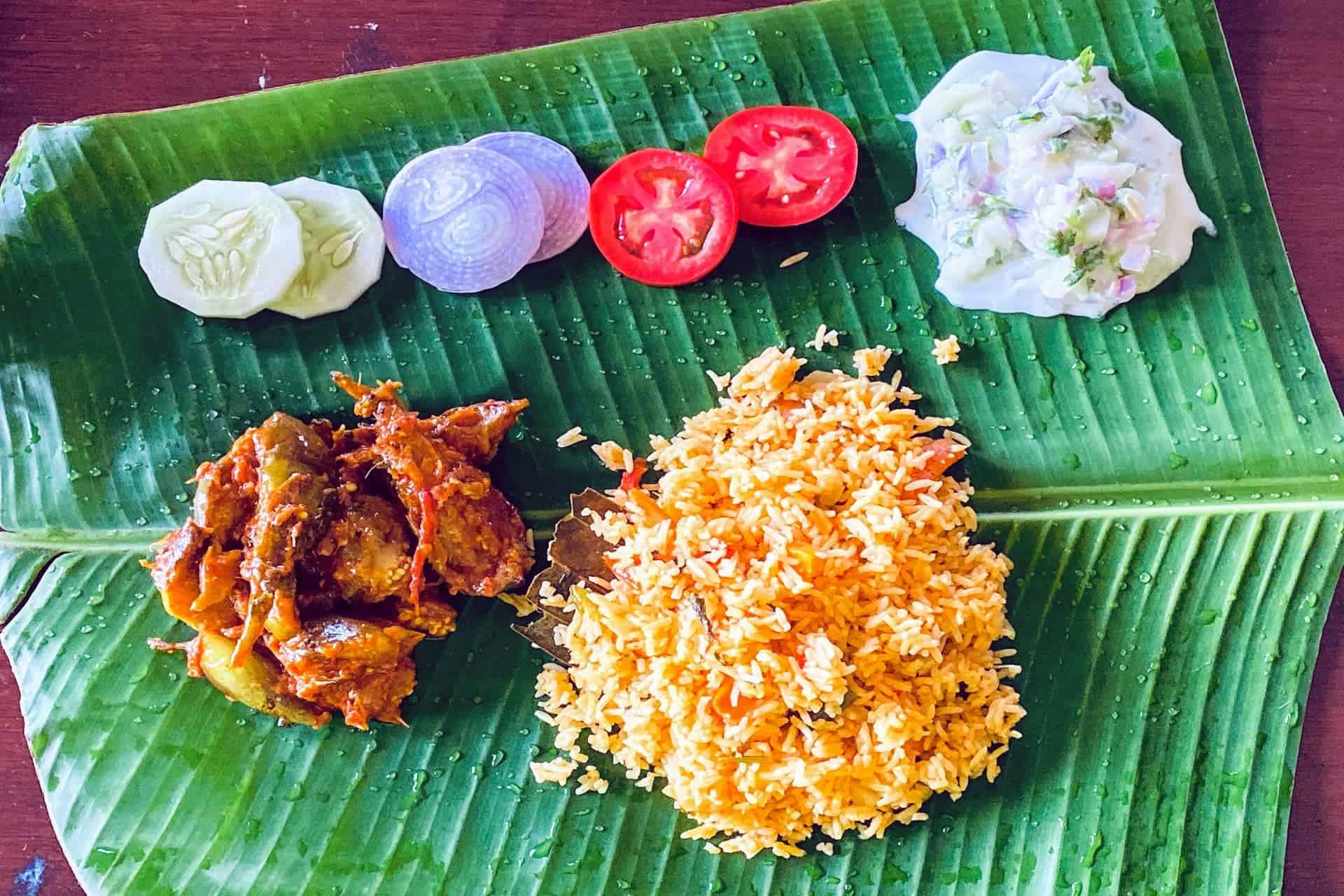
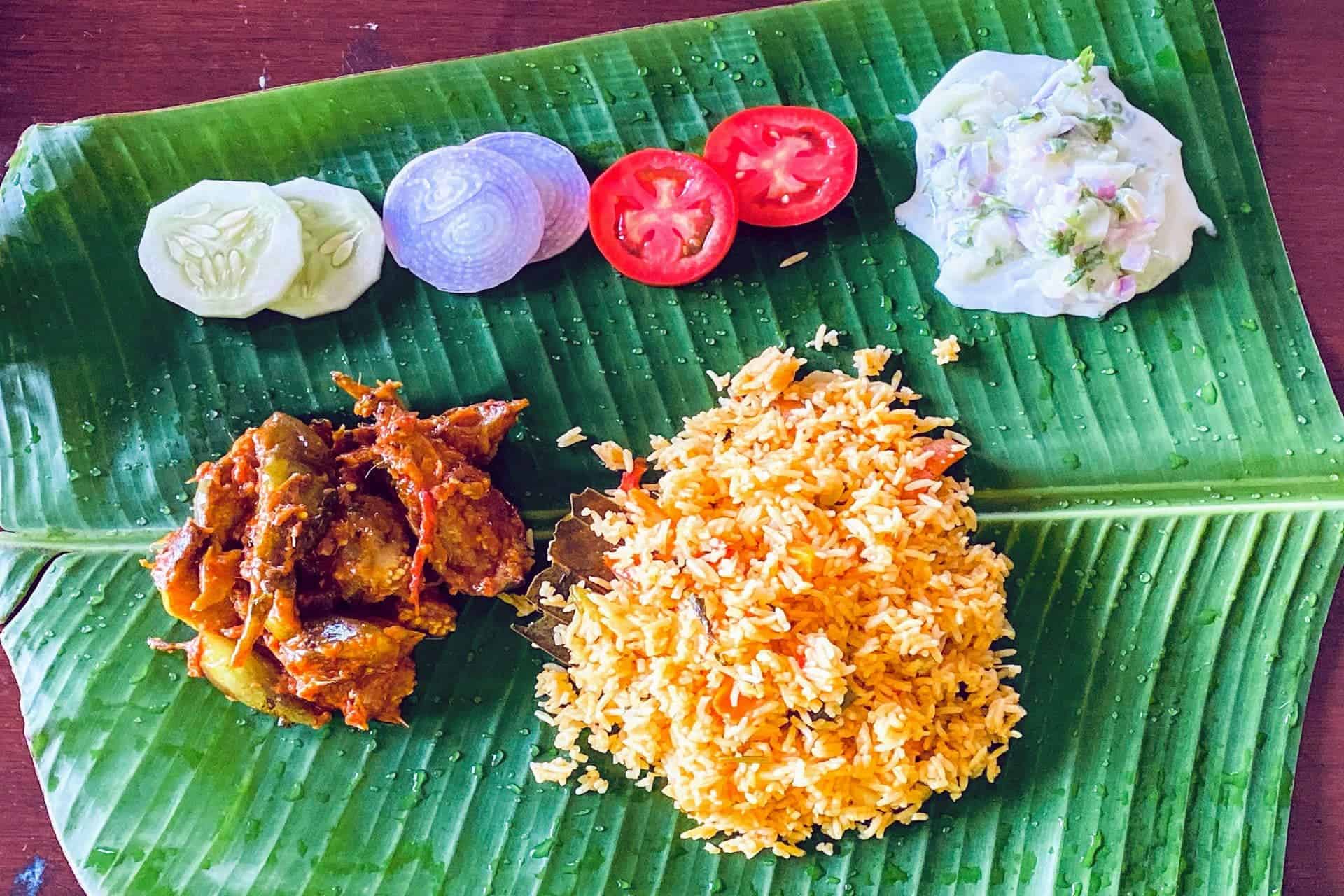
The main artery in this area, Subbarama Chetty Street is full of dosa places serving the kind of food the CM loves. But if he is in the mood for hardier Bayaluseeme fare, then we head to the Northwest of the city towards Rajajinagar and Vijayanagar. Bayaluseeme refers to the arid plains that lie East of the dense, hilly, lush and green Malenadu region in the Western Ghats. These arid plains are vast, rolling and gently slope East. The food is rustic, hardy and I would say, among the healthiest cuisines in India, given that it is based on millets like ragi and jowar, and sprouted lentils that locals call kaalu. Shivakumar may like soft carb-rich idlis but the rigours of the job will require him to try a meal of jolada rotti (unleavened sorghum flatbread), ennegayi badanekayi (stuffed spicy brinjal), kaalu saaru (a sambar-like gravy made of sprouted lentils) and shenga chutney (peanut powder) with a side of raw onions. This is the cuisine of endurance with bold, pungent flavours, and endured he has, for his position. We would go to Kamat Bugle Rock or Nalapaka in Rajajinagar.
Gujarati and Marwari food are replete with tasty vegetarian options. Here too, Bangalore doesn’t falter. To try out these foods, we go to the market in Chickpete where the mercantile culture that drew traders to Bengaluru still lives and eats. The area has many tiny restaurants that serve both the Marwari merchants and the Gujarati textile traders, all of whom speak fluent Kannada, given that they have lived here for generations.
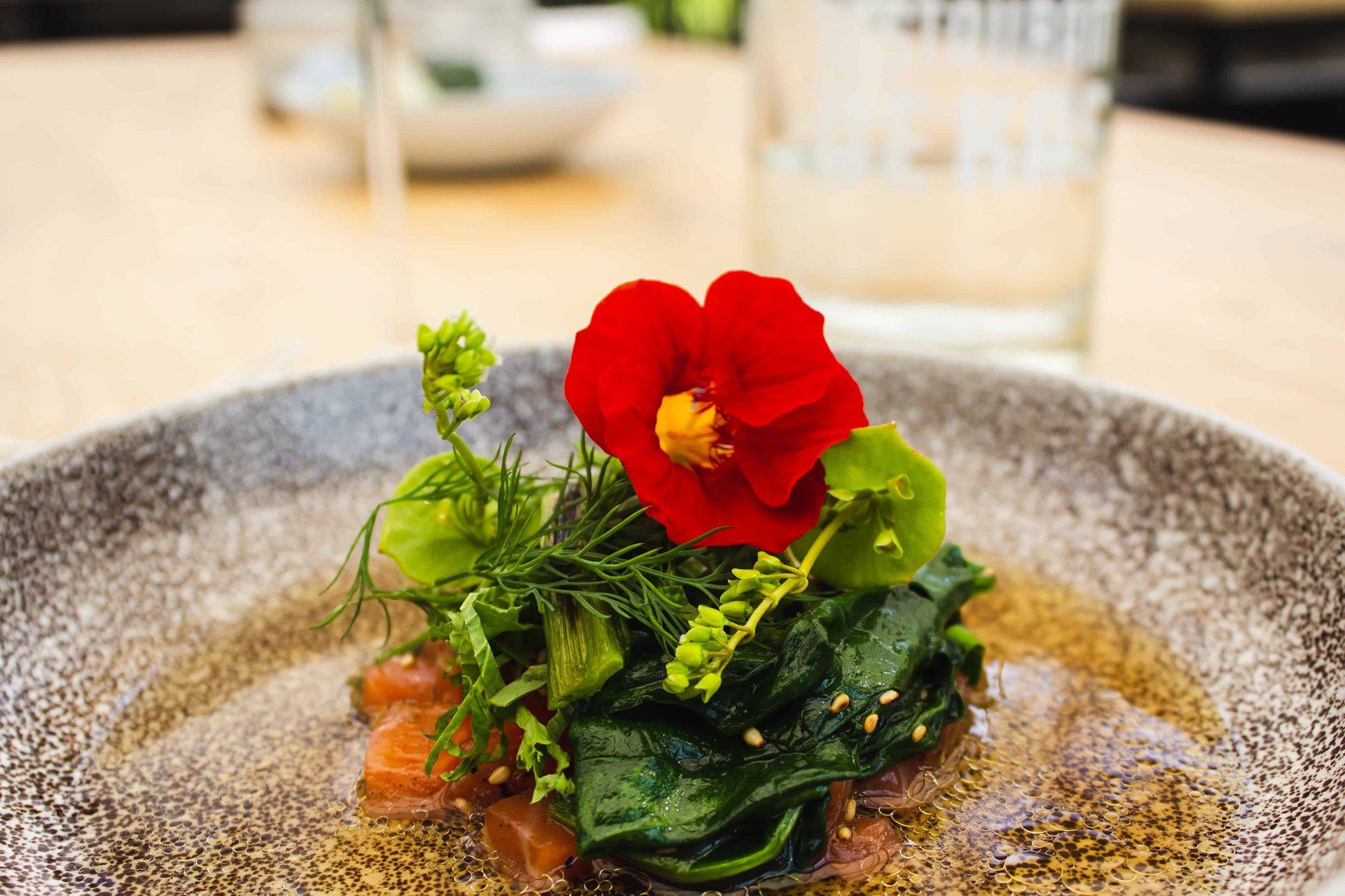
But what is Karnataka without its coastal flavours? To experience this we should go towards Seshadripuram’s Nehru Circle, where the B.V. Raman School of Astrology has an outlet, in case the CM wants to check his horoscope. Following which, we would have lunch at Sanadige restaurant at the Goldfinch hotel. Sure, coastal food or the Karavali cuisine is known for its seafood, but we might have a neer dosa made from a watery dough with a stew.
We would skip Shivaji Nagar’s mutton pulao, biriyani and night market that caters to every migrant that gets off at the bus stand to make a new life in this city. The Tamil population in Ulsoor and Cox Town are nativized enough that they eat their Tamil saapaadu at home and enjoy Bengaluru’s cosmopolitan dining when they step outside. If I want to eat Tamil food, the closest I have is Tanjore Tiffins in Domlur. But perhaps we should go there for a proper non-sugar-infused sambar.
Bengaluru’s greatness as a culinary capital lies in this regional density. It is a city where a resident can have a jolada rotti for lunch in Rajajinagar and a pork bafat for dinner in Cooke Town. This internal diversity is what prevents the city’s palate from becoming a globalised monolith. Cigar aficionados will relate to this but the city’s neighbourhoods act as culinary and cultural humidors, preserving specific spice levels, grain preferences, and meal timings of the various Karnatakas that meet at this high-altitude junction. In Bengaluru, to eat is to travel across the state, one “pete” at a time. The CM can do all this without leaving our capital city.
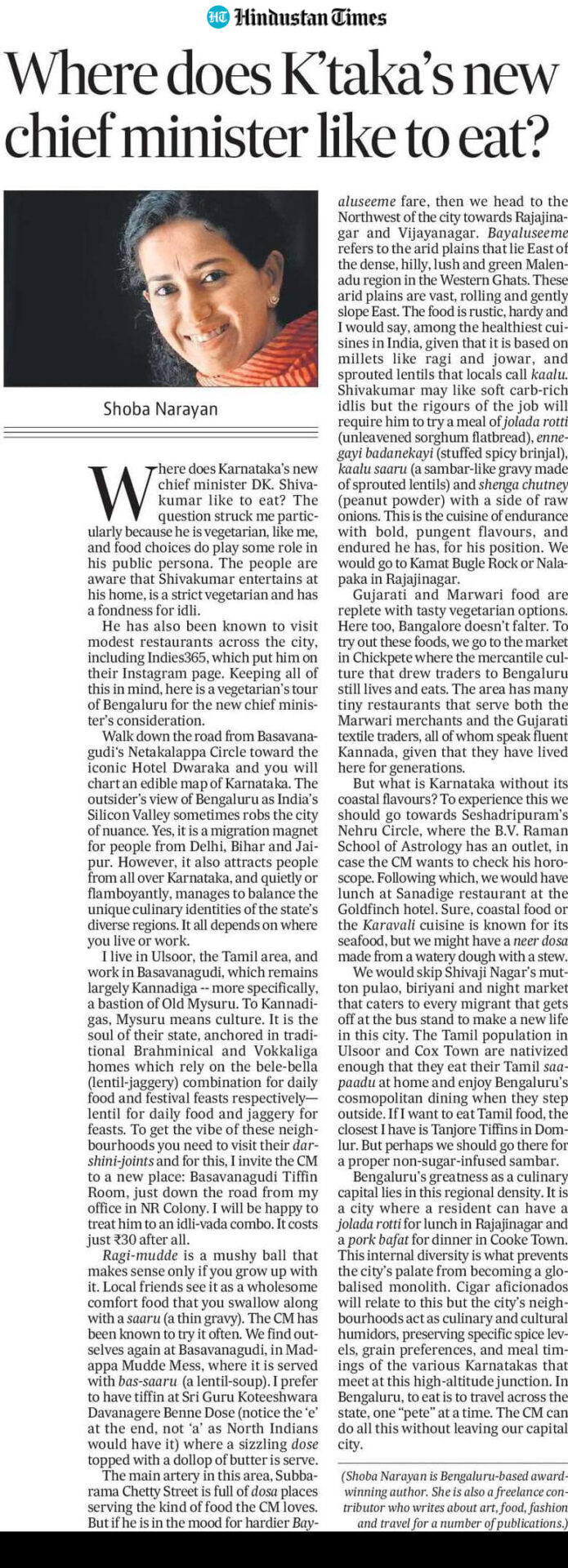
(Shoba Narayan is Bengaluru-based award-winning author. She is also a freelance contributor who writes about art, food, fashion and travel for a number of publications.)
-k4lD-U204025897261YmH-250x250%40HT-Web.jpg "Shoba Narayan")
Shoba Narayan is Bangalore-based award-winning author. She is also a freelance contributor who writes about art, food, fashion and travel for a number of publications.



Neat eat options all. Thanks
You write wonderfully, Shobaji!