
Every year, on November 1st, Karnataka erupts in a blaze of red and yellow as fluttering state flags celebrate Karnataka Rajyotsava. The state anthem, “Jaya Bharata Jananiya Tanujate,” is lustily sung at schools. But underneath the pomp lies a frustrating truth, and this is something every Bangalorean knows. For what we have, both our city and our state, are woefully under served and under marketed. Our tourism tagline: “One State, Many Worlds,” is true, but does little to sell our story.
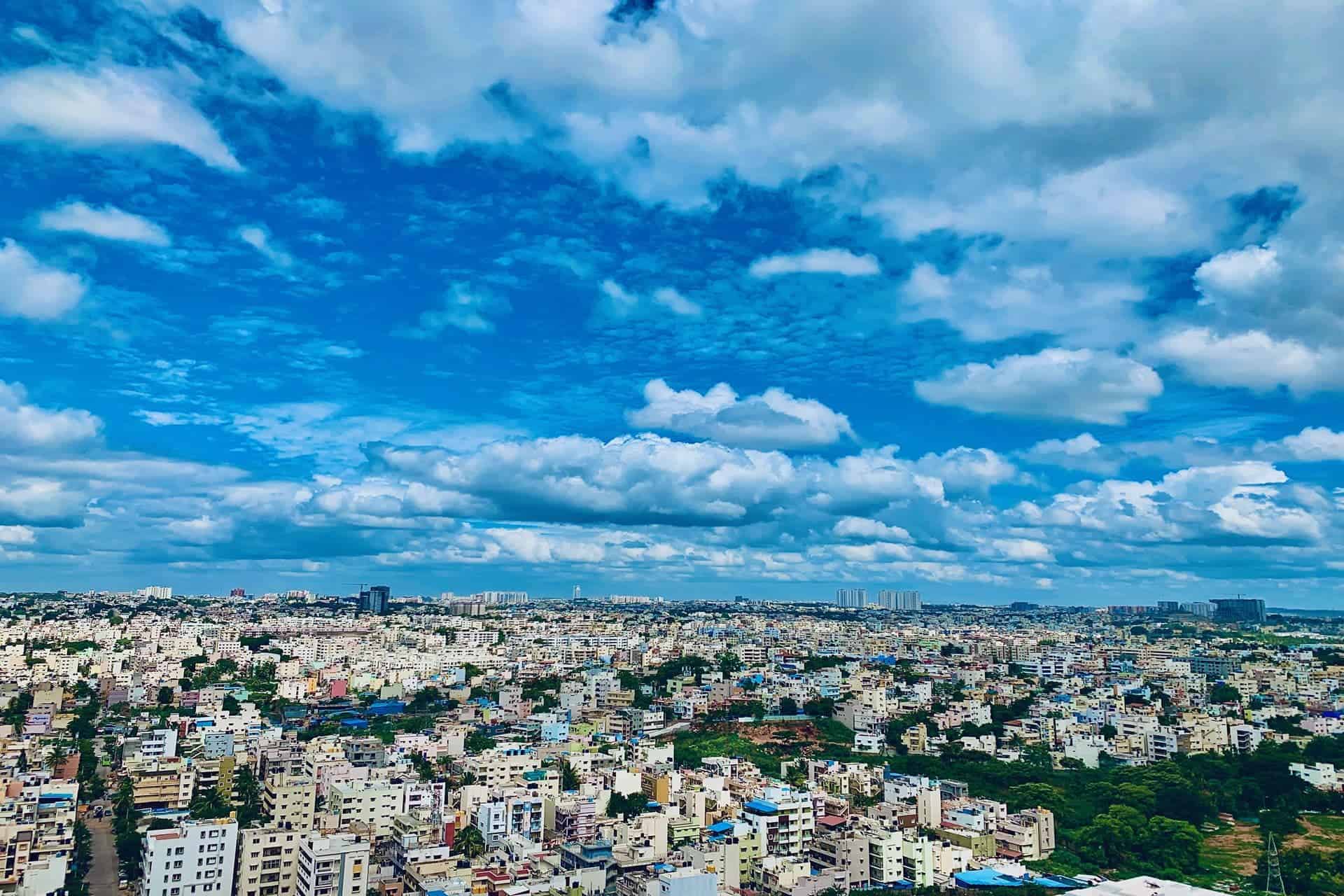
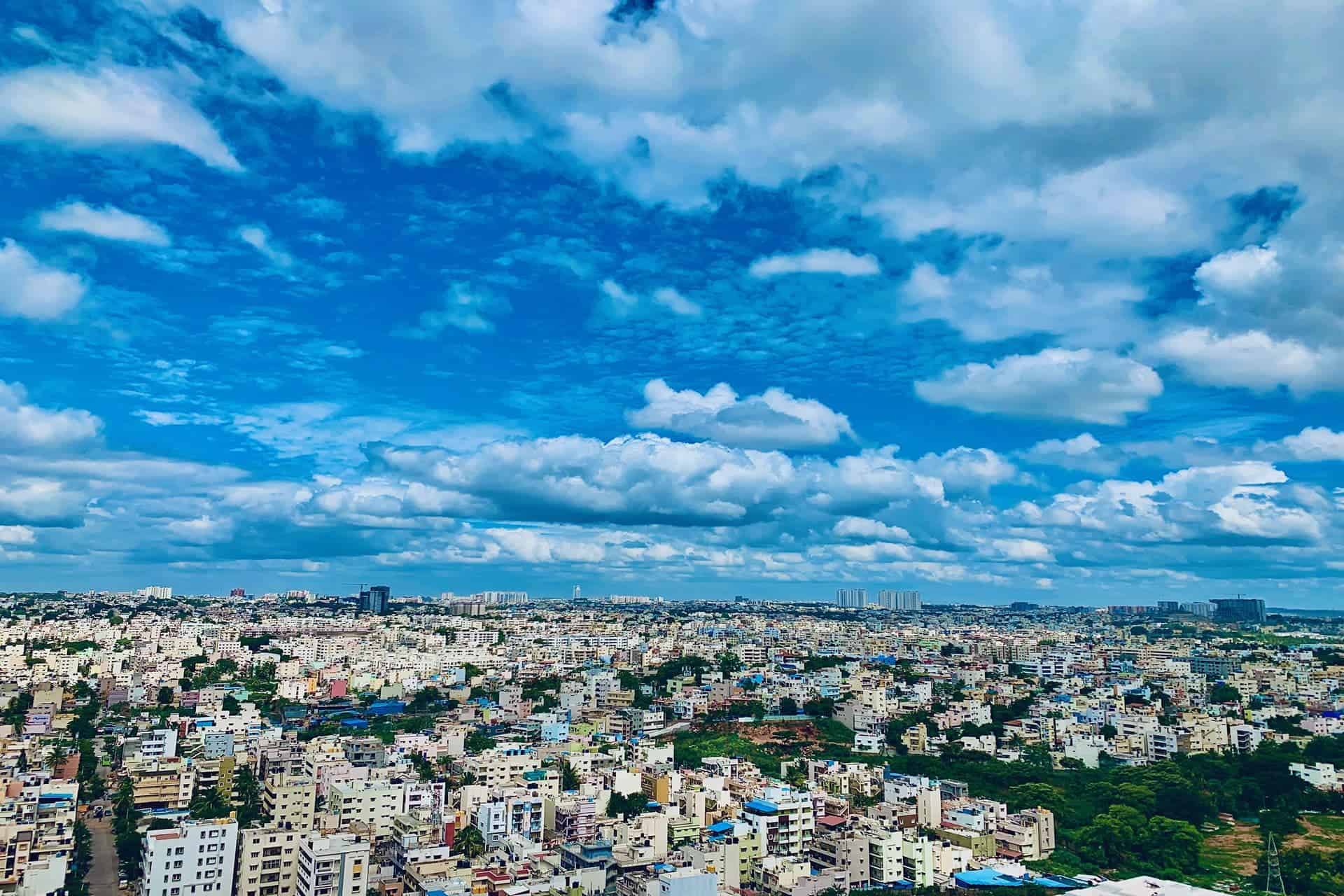
Take Bengaluru. Yes, it is India’s startup and tech capital. But how many of us know anything at all about its founder? The man who created this city stands tall at the airport bearing his name, welcoming tired travellers. But while there are movies about Shivaji, few know about Kempe Gowda.
This young vassal to the mighty Vijayanagara empire built a mud fort in 1537, in the area that is now the old pete and named it Bengaluru. The fort still stands. If you go digging, stories about how it came to be surface. Legend has it that Kempe Gowda was on a hunting expedition in the area that is now Hesaraghatta. He had the impatience of youth and was looking to stake his identity. As he rested under a tree, he saw a tiny hare chasing a hound, and realized that this was a gandu bhoomi or “land of heroism”. That night, he dreamt of goddess Lakshmi, which he took to be a good omen to create his kingdom.
When he was building the fort, astrologers said that the south wall would collapse, unless a human sacrifice was made. Kempe Gowda was against this, but apparently his pregnant daughter-in-law, Lakshmamma, in a chilling turn of events, beheaded herself at night to appease the spirits. A temple in her name still exists .
The Deccan Plateau where Bengaluru stands is unique in several ways. There is no natural formation near it, only under it: the Peninsular gneiss is one of the oldest rock formations in the world. Bengaluru has no rivers or mountains to contain and nurture us. What saved its early inhabitants was the land’s soil – loamy, red and fertile – kempu, as it is called locally.
Later rulers like Tipu Sultan and Haider Ali, saw its potential and went on crazy buying sprees, importing fruit and flowering trees from all over the world to grow in Bangalore. All of this has given Bangalore a layered jigsaw puzzle effect, like a biryani.
Biryanis, though, were not part of the diets of the folks in early Bangalore. Nor were rich Mughlai kurmas. Rice, the staple of today’s Bengaluru, was viewed as a luxury crop. Instead, Bangalore’s early inhabitants ate millets such as jowar, bajra, and ragi, all of which are still consumed today, if you go to restaurants that serve regional and local food. During the freedom struggle, women used to spill ragi on the streets when the British officers and sepoys came for inspection in their areas. As soon as the horses trotted over the ragi, they slipped, throwing off the riders. The local Pehlwans or wrestlers who practiced at the garadi manes or wrestling arenas in the old pete area would then overpower the British and thrash them.
Instead of the idli or dosai that we get in our current darshinis, the folks would gather around women serving mudde and saaru for their midday meal. This was food for sustenance and energy, the kind that helps you build a new city. The saaru was a thin soup-like gravy built on local ingredients. First, there were the pulses for protein – a variety of them including huruli (horsegram), avare (hyacinth bean), or thogari (tuvar dal). To this, the cooks added greens that were grown in the garden.
Today, we call them by that fancy word, “foraged” but really, that is what the early citizens of Bangalore did. They walked around the gardens in their neighbourhoods, picking greens and bartering for vegetables. The bydegi chili that Kannadigas love to add to their dishes did not exist in Kempe Gowda’s time. Both chillies and potatoes were still on their way from the Americas via Portuguese ships, and wouldn’t become common for at least another century. The heat came from black pepper – kari menasu – which, you could argue, gives a layer of heat that is unique to Indian food. It is warmer, slower and not as sharp as the green chili. While mutton and chicken were eaten, particularly by martial communities or on festive occasions, the daily diet was overwhelmingly a functional, plant-based one. This was high-energy fuel for a people who were building a city, one mud brick at a time. Yet, within that simplicity was a subtle sophistication, an understanding of the interplay of flavours: the warmth of pepper, the bite of greens, the girth from pulses and the earthy rusticity of millets.
-k4lD-U204025897261YmH-250x250%40HT-Web.jpg "Shoba Narayan")
Shoba Narayan is Bangalore-based award-winning author. She is also a freelance contributor who writes about art, food, fashion and travel for a number of publications.






Leave A Comment