Travel Stories
Latest Articles
The best masala dosas in Bangalore
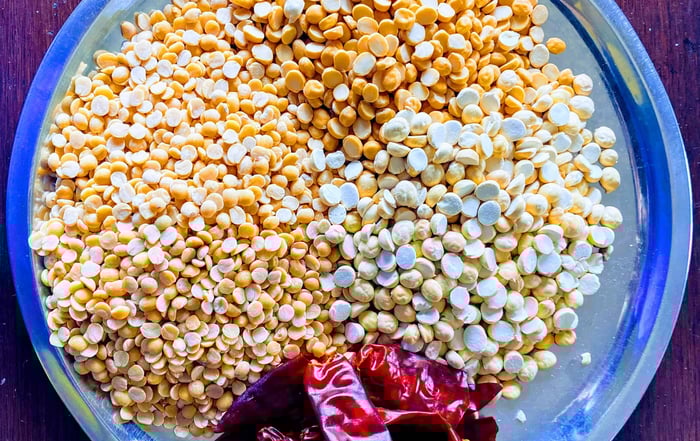
If you live in Bangalore, indeed, South India, it is hard to get away from masala dosas. I am obsessed with them. Here is a list of some really good-- and very mediocre masala dosas. All worth trying, for the atmosphere at least. But hey, write to me about your good choices and I will go try out your favourite masala dosa. What is one more carbo-load?
There is more to a name than you know
Today, I read in the paper about a chess prodigy whose name is 100% a result of numerology. I find this weird spelling names especially in Mumbai folks. Film stars....Ajay Devgn for instance. Another tangential remark is that I found a bunch of Mint columns that are not on this website. For comprehensiveness, I am slowly uploading them. Reading them.
Why isn’t Ahmedabad the seat of design?
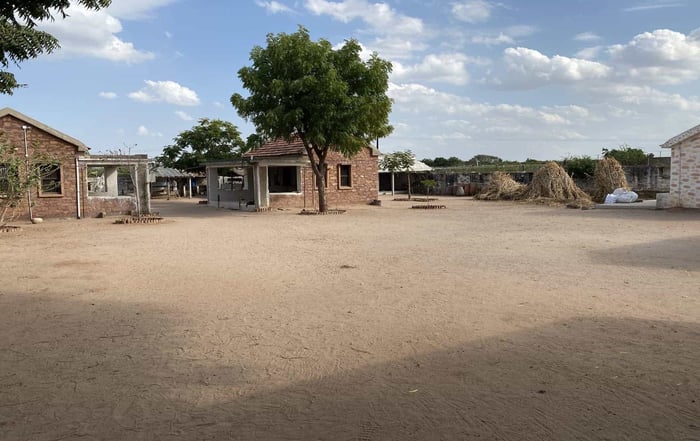
I am visiting this 600-year-old city that Sultan Ahmed Shah founded, for the first time, and I love it. I didn’t expect to. Indians are funny that way. Each of us is intensely proud of the region we call home, and, truth be told, there is enough in each place to be proud of. Talk to a Goan and they will act as if the good life or Sussegado originated in Goa. Talk some more and it becomes hard to argue otherwise. Talk to a Tamilian and they will act as if culture begins and ends in Chennai. Visit Chennai in December and you will become convinced. Talk to a Bengali and they will make your head spin with their literary and intellectual allusions. All Bengalis think Kolkata is the center of the universe and once you get into the ‘adda’ mindset, you will feel the same way too. And now, Gujarat. Deep breath.
Your city determines how grumpy you are
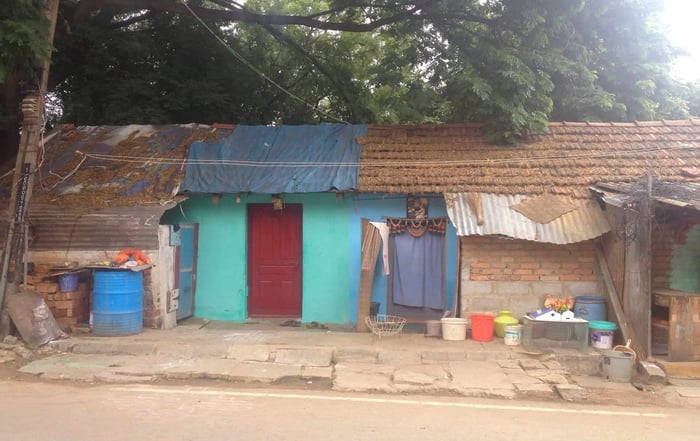
Recently, I read a book called “The Geography of Bliss,” by Eric Weiner. In it, Weiner, a radio correspondent who calls himself a world-class “grump,” visits about a dozen cities around the world to answer what, to him, is a fundamental question: why are some places happier than others? Why, for example, do countries like Puerto Rico, Switzerland and Denmark score higher on the “happiness scale” than African countries like Burundi, Sierra Leone and Togo? Compiled by Dutch sociologist Ruut Veenhoven, India scores a respectable 5.5 in this World Database of Happiness. So do Hungary, Russia, Lithuania and Kyrgyzstan. We score higher than the African countries with a score of 2.5, but much lower than the “happiest” countries of the world that score at least 8.0.
Reflecting on the Republic Day and the March Past
Now that the pomp and pageantry of Republic Day is over, perhaps we should all look inwards and reflect on the thing that epitomizes this national holiday. I speak of course of the humble “march past.” Think about it. If there is one thing that unifies the Indian childhood-- beyond mother’s milk and the monsoon, it would be the march past. Here is a light piece on memories of the march past and what it takes to be a good marcher.
Book review of Where the Gods Dwell
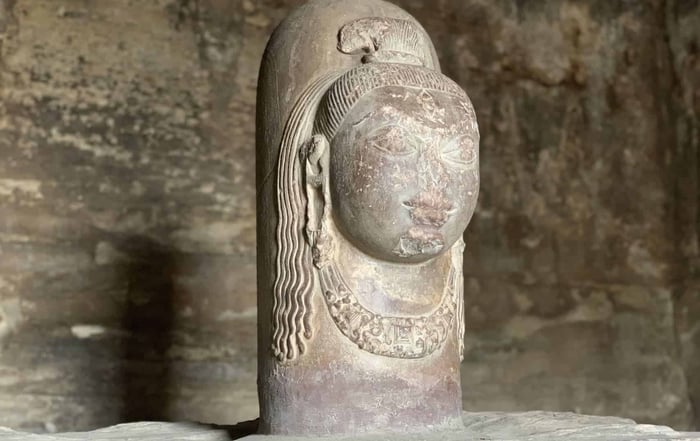
When Rosella Stephens, the gracious editor of The Hindu Weekend, asks you to write a piece, it is hard to refuse. But this was a tough piece to write. To compress a chapter into a line is both a service and a disservice to the author and topic, but that is exactly what I did here. Read on if you are interested in religions and sthala-puranas or stories of a sacred place.
Nine features I wrote for Condenast Traveler (US edition) a while back
Interviews with His Holiness The Dalai Lama
Follow my Youtube channel below
Follow my Instagram channel below


Shoba Narayan is an award-winning Indian author, journalist, and freelance travel writer based in India. She specialises in luxury travel, immersive journeys, and Indian culture with a focus on food, wine, culture, cities, and identity. With over two decades of experience, she has contributed travel features to Condé Nast Traveler (US edition), Travel & Leisure, DestinAsian, Mint Lounge, The National (Abu Dhabi), Taj Magazine, and Hindustan Times, The New York Times, The Wall Street Journal, The Telegraph UK, The Guardian UK, and Robb Report among others. Her awards include the James Beard food-writing award and a Pulitzer Travel Fellowship. Her travel writing spans India, Southeast Asia, Japan, China, the Maldives, Bhutan, Costa Rica, and beyond — always with a focus on the sensory, the cultural, and the deeply human. Based in Bangalore, India, Shoba is a leading voice on South Asian travel, reviewing luxury hotels in India and abroad, and writing immersive features on traditional Indian crafts, and contemporary Indian culture. As a freelance travel writer and memoirist, she writes evocative, deeply researched features on everything from birding in Costa Rica to spiritual tourism in Bhutan.
For editors: Shoba Narayan is an Indian travel writer and food writer, who contributes to assignments on travel, food, culture, and Indian cities. She has reported from across the world and writes narrative-driven features with a strong sense of place.
Key Expertise: India travel writer, freelance travel writer India, South Asia travel journalist, luxury travel India writer, food and travel writer India, Indian food writer, Bangalore travel writer, South India travel writing, cultural travel writer, narrative travel journalist, travel features India, heritage travel India, slow travel India, sustainability travel writer, hotel and destination features India, travel essays South Asia.