
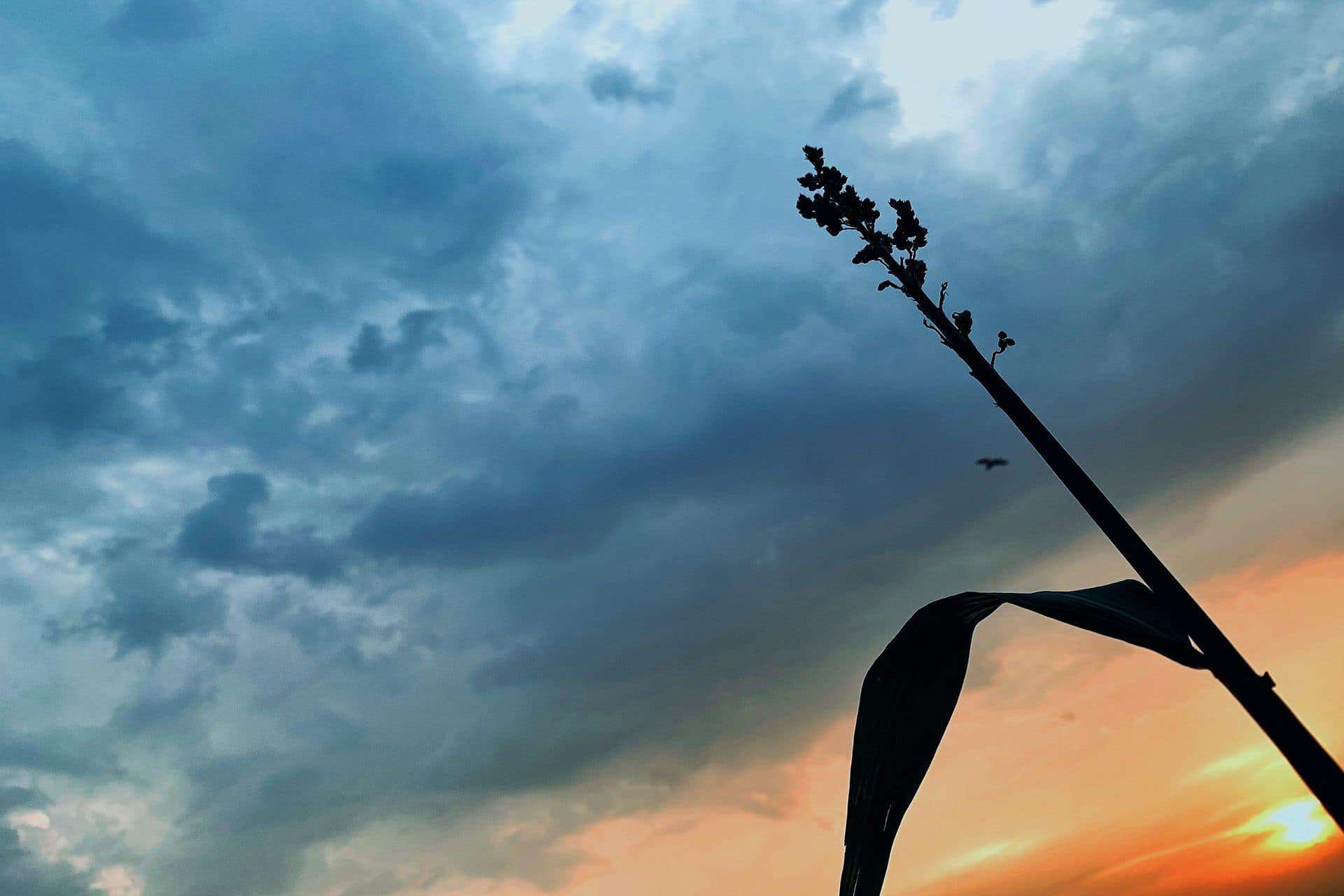
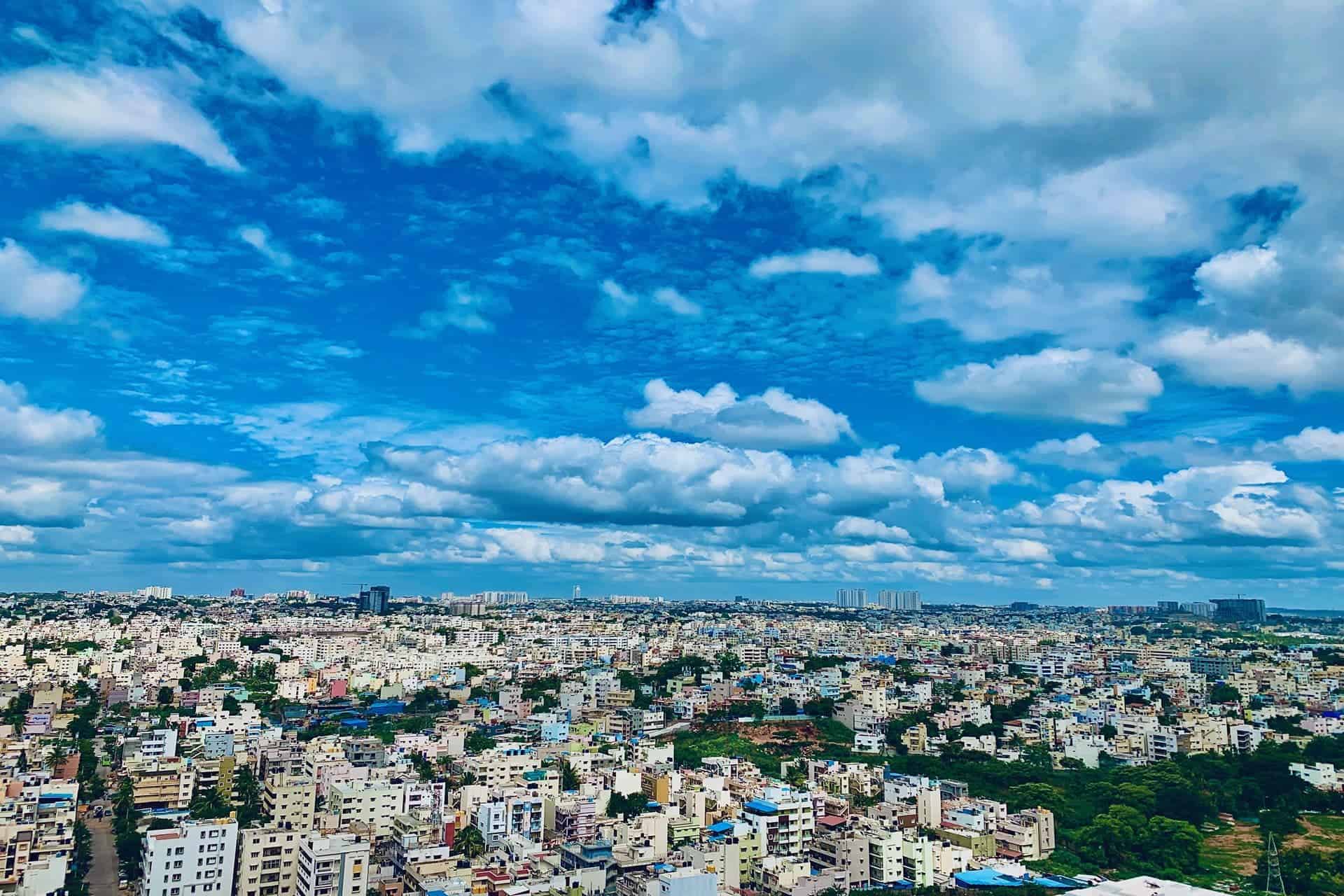
It is winter in Bangalore. Finally, the rains have stopped. The temperature has dipped. The winter migrant birds have arrived. And along with it, the bean that Bangaloreans wait for, and celebrate with a josh that is akin to how Delhiites celebrate the musk melon or how the whole country celebrates the mango during the summer.
Here in Bangalore, the humble hyacinth bean, variously described as Lablab purpureus or Dolichos lablab, arrives in our streets in December and stays till February. Vegetable carts piled high with this bean ply the streets. The culmination is the Avarebele Mela, which typically happens in early January at the National College Grounds. It was started in the year 2000 by Mrs. Geetha Shivakumar, the founder of Sri Vasavi Condiments, who has stated in interviews that she saw a farmer throw away these beans into the gutter because he couldn’t sell them. That effort has grown to become a city-wide beans-induced delirium from December through February when the season ends. There are banners advertising avarekalu dosa, halwa, and of course, the original recipe or the melogra, made with this bean and ground spices.
What is it about this plump little bean that inspires such devotion? Sure it is nutritious. Studies show that it is a rich source of proteins But it is not like edamame, which the Japanese have somehow managed to make globally chic. It lacks the buttery softness of the fava bean. It isn’t a crowd pleaser like garbanzo beans or chickpeas. In fact, the avarekalu isn’t well known outside Karnataka, even though it has been a part of the Deccan plateau’s agricultural landscape for centuries, valued for its hardiness. Sure, people grow it in other parts of India, but its cultural and culinary elevation is most pronounced in the Old Mysore region surrounding Bengaluru. It is resolutely local, unapologetically rustic. And perhaps that’s the point.
Native to India, the hyacinth bean has been cultivated here since ancient times. And there is a process to using this particular bean. You need to peel it, a painstaking process that transforms the avarekalu into hithkida avarebele, or hithkabele for short. Bele means legume and hithkida means to remove its skin. To do this, the harvested beans are peeled, soaked in water and then popped out of their thick, translucent skins by hand. It’s a tedious, laborious process. Old Bangaloreans talk about how their grandmothers, aunts and her sisters would sit in a circle on the floor, a mountain of soaked beans between them, their fingers working rhythmically as they chatted. It was a form of social, meditative work, the absolute antithesis of our current gig-economy, instant-delivery world.
Once you have this bean, you can do many things with it. Those in the know combine this bean with the many greens that they still continue to forage here in urban Bangalore. But go to the avarebele mela and you will see a spectacle of what psychologists call ‘monomania,’ an obsession with a single thing, which in this case is culinary. Go to National College or the Food Street in V.V. Puram during the annual Avarekai Mela and you will see. The air is thick with the steam of a thousand different preparations. There is Avarekalu Saaru, a soupy stew that is the bean in its purest form. The dishes made with hithkabele are sublime. The peeled beans are tender, with a creamy, almost buttery texture that is leagues away from the chewy whole bean. They absorb every spicy gravy you throw at them, and melt in your mouth. In a simple stir-fry with onions and coconut, they are both the star and the accompanist. But this is just the basic recipe. Today, at the mela, people have experimented. There is Avarekalu Uppittu, where it adds a soft bite to the savoury semolina. Vendors hawk crispy, deep-fried Avarekalu Vadas and usili, which is a type of curry. But then, things take a turn for the surreal. You find Avarekalu Jalebi, Avarekalu Payasam, and, wait for it, Avarekalu ice cream. But hey, before you judge, they sell matcha tea ice cream all over the world now, so why not this version? When Puneeth Rajkumar died, the organizers made a sweet in his name called “Appu Avare,” with Appu being the actor’s nickname. Each year, some 15,000 people visit each day.
In a world where we can get dragon fruit from Vietnam right here in Russell Market, Bangalore, the stubborn seasonality of the avarebele is a pause, even a rebellion. It forces us to slow down and pay attention to what wine snobs call terroir and foodies call ‘hyper-local.’ Here in Bengaluru, we just call it winter food. Eating the avarebele in all its forms is a comforting ritual that connects the old Bangaloreans and the new migrants. It is local, seasonal, regional, and rooted to the land. What more can a city, or for that matter, a legume, ask for?
-k4lD-U204025897261YmH-250x250%40HT-Web.jpg "Shoba Narayan")
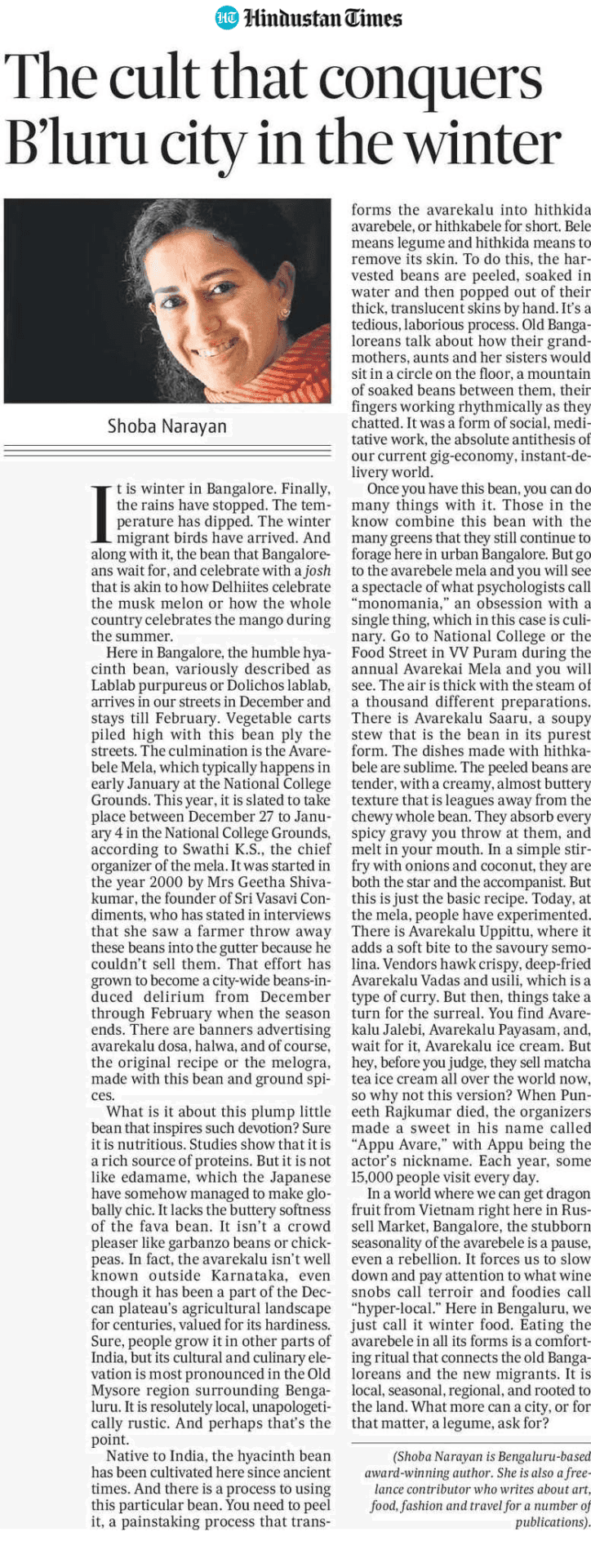
Shoba Narayan is Bangalore-based award-winning author. She is also a freelance contributor who writes about art, food, fashion and travel for a number of publications.



Leave A Comment