
Come July and we mourn the mangoes. They are fading across India and also here in Bangalore. The mango stalls that pop up like a golden streak on Jayamahal Road are slowly winding down –
packing up. Delhi meanwhile, is smartly hosting The International Mango Festival just about now, an annual event since 1987, that has claimed this King of Fruits in all its glory. India, after all, is the world’s largest producer of mangoes, contributing to a whopping 40 percent of global production. We also are the world’s largest exporter, sending over a million tonnes to the US, UK, UAE and everywhere else. But for Indians, the mango is more than a fruit. It is a reason to return home. It is a collective memory; a personal narrative and a common one. Here for example, is my fanciful and imaginary primer on how to eat a mango, written from the point of view of a seven-year-old boy. Let’s call him Kesar. I hope this resonates with each of you.
“Hello, I am Kesar, age 7, from a family of mango growers. And here are my thoughts about mangoes.
To eat a mango, you pull its cheeks, like old aunties do, before asking, at weddings, “Do you know who I am?” when all they are to you, is plump, like an Alphonso mango. But mostly, you don’t understand why your parents cover your eyes and ears at the movies during the parts when the hero whispers that his lover’s breasts are like ripe Daseri mangoes. At seven years of age, your sexuality is utterly un-self conscious and full of curiosity. You have forgotten how to suckle and you don’t know yet what sucking means. Yet, you have to do both to your favourite variety, the Langda which your Dadu (grandfather) says you have to literally suck out. So you do. You purse your lips into what your teenage cousins call the “fish-face” as they pose for Instagram selfies. To you, a boy named after the golden Kesar mango, these fish-face poses look like those totem smiles on the Mayan picture books that you colour during summer holidays. Your mother meanwhile calls you Sakkara Kutty or Sugar Baby. But this mango is not one that you like. Sure, it smells good and is tiny enough to hold in your small hands, but the seed is large and the sugar is minimal. So you sit in a corner of your large joint-family home and colour comics until your elder cousins, the boys you adore and worship, whisper that they are going out to get mangoes. In the midst of the afternoon as the family takes a siesta, you and your cousins escape to the Chausa orchards nearby to climb up trees and grab raw mangoes. The best variety for eating raw in your tiny opinion is the Neelam which looks blue rather than green. Once, during such an afternoon jaunt, an elder cousin discovered an effigy at the foot of your Dadu’s favourite Malgova mango tree. Inside the earth was buried an effigy: a tiny human figure made with paper and straw with needles stuck on the spine. Slightly scared and very confused, you carried the tiny figure to your youngest uncle, whose face became as white as the inside of a Totapuri or parrot-beaked mango when he saw the figure. In whispered voices, your uncles conferred over the effigy and cursed fluently. Their Mallika crops were under siege, they said, by jealous neighbours who were doing black magic. When they see the fear in your innocent big eyes, your uncles hand you a Bainganapalli or Benishan mango. They instruct you to chew its beige flesh till juices drip into fake mustache stains on your brown face. Once you finish eating, you try to take out the mango fibres that flail between your teeth, awaiting your mother’s determined toothbrush.
On the fifth day of spring, the young women in your village wear mango-leaf crowns and yellow shimmering robes as they swing from hastily tied ropes wrapped with garlands and leaves. They swing over rivers, kicking swelling droplets on their amorous suitors. Every drupe, which is what a mango is (and I studied this in science class just so you know), dupes, by promising size when it is mostly seed. And so, this is Kesar, age 7, student at Army Public School, signing off.”
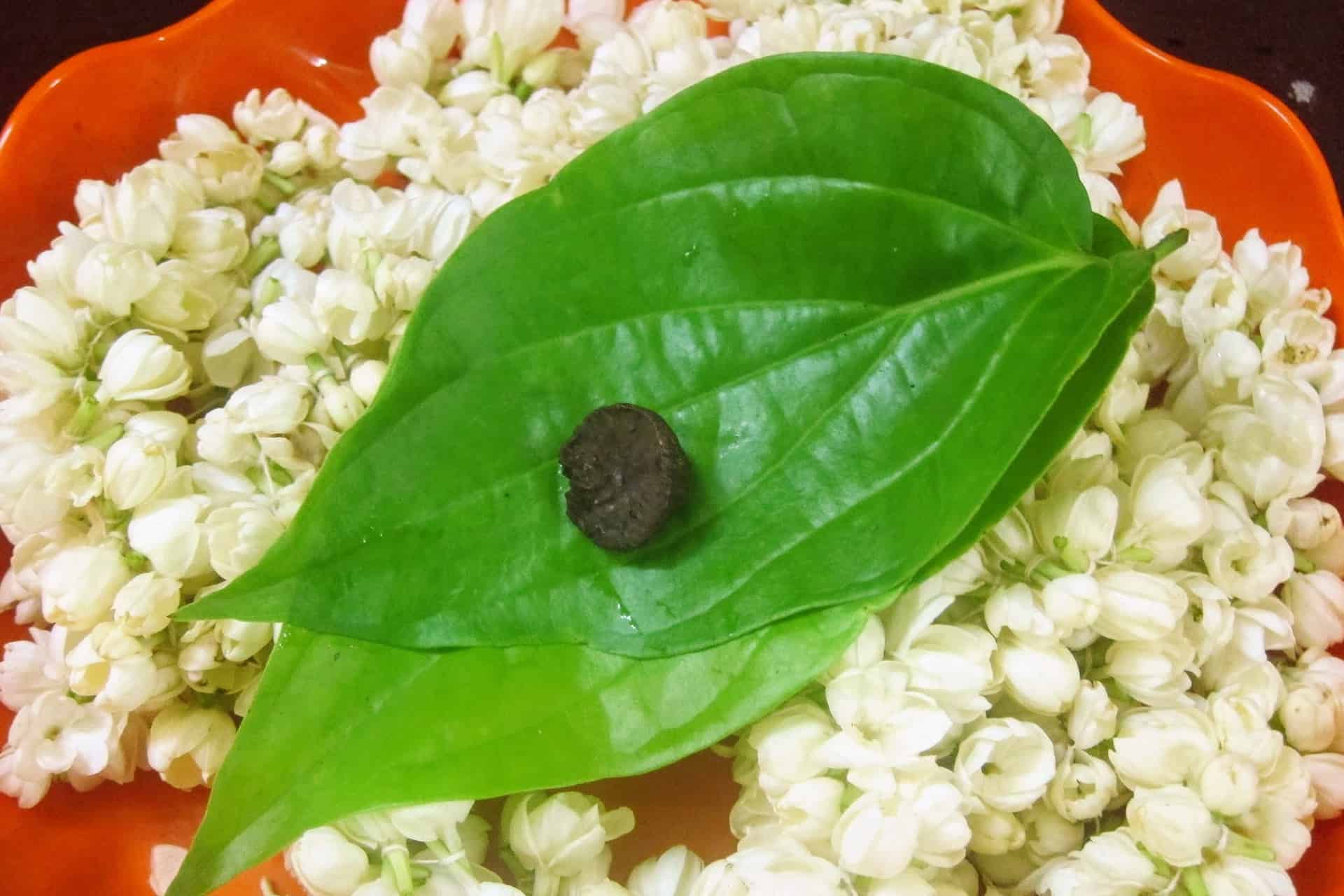
Now that you folks have read my fanciful essay on mangoes, it is time to get down to the business of mango pickling. As summer winds down, Bangalore’s markets showcase late-season gems like Neelam and Mallika, bidding farewell to the mango fiesta. Those who were smart enough to snag some tiny pickling mangoes pull them out to marinate them in salt and chili powder. The pickles will hopefully be ready next month to eat in time for Ganesh Chaturthi which is when we will pull out mango leaves anyhow.
On that auspicious date, thousands of people carrying fruits, mango leaves and flowers will come with their clay Ganesha idols to offer to Bangalore’s lakes. The idols will be ceremoniously taken through town in tractors and trucks before immolation. Perhaps we should revive our ancient animistic roots where nature was full of divinities; where the mango tree along with the sacred peepul was worshipped. After all, if we view our trees and lakes as divine, we will protect and cherish them in this land that Kempe Gowda founded. As his mother said, “Plant trees, build lakes.” To that, I would add, eat mangoes.
-k4lD-U204025897261YmH-250x250%40HT-Web.jpg "Shoba Narayan")
Shoba Narayan is Bangalore-based award-winning author. She is also a freelance contributor who writes about art, food, fashion and travel for a number of publications.



Leave A Comment