
I first wrote about MTR in the year 2000. I was living in New York then and had come to India to report about Indian food for a magazine called Gourmet that is now defunct. I wanted to write about two brands that were changing the landscape of South India. One was Grand Sweets in Chennai, and the other was MTR in Bangalore.
The editor who had assigned the story wanted detailed reports about process and product, so I spent a few days at MTR near Lal Bagh interviewing their chefs and hanging about the kitchen. Today, MTR still stands at the original location and is still the stuff of legend. Stories abound about its invention of the rava idli. The shortcut version is that during World War 2 there was a rice shortage and MTR could not serve its fluffy rice idlis to its patrons. Rather than closing its doors, founder Yajnanarayana Maiya decided to look for options. He landed on semolina or rava as a base for the idli, but also pumped it up with cashew nuts, curry leaves, grated carrots, and a lot of ghee. Even after the rice shortage ended, patrons demanded the rava idli because by then they had fallen in love with it. Today, MTR’s rava idli is arguably more famous than the original rice version. It is still served according to the original recipe with a satisfying potato saagu on the side.
Since then, I have interviewed and written about Hemamalini Maiya, who belongs to the third generation, about this and other family stories. The brand has now been split to MTR Foods, which has been bought by a Danish company called Orkla Foods.
Hemamalini and her siblings own and run Mavalli Tiffin Room, or MTR, in its original location. This is the restaurant that every tourist who visits Bangalore wants to visit.
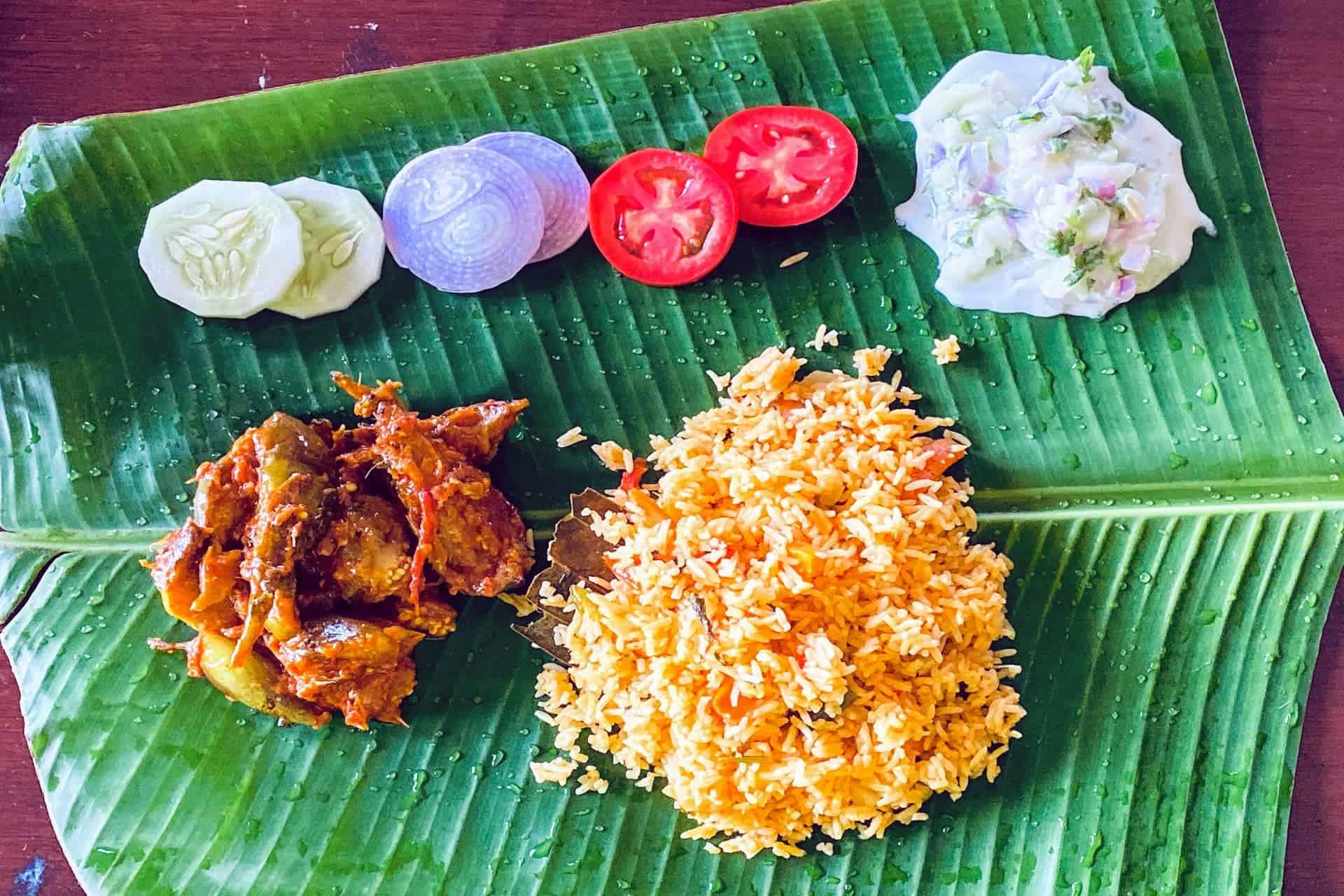
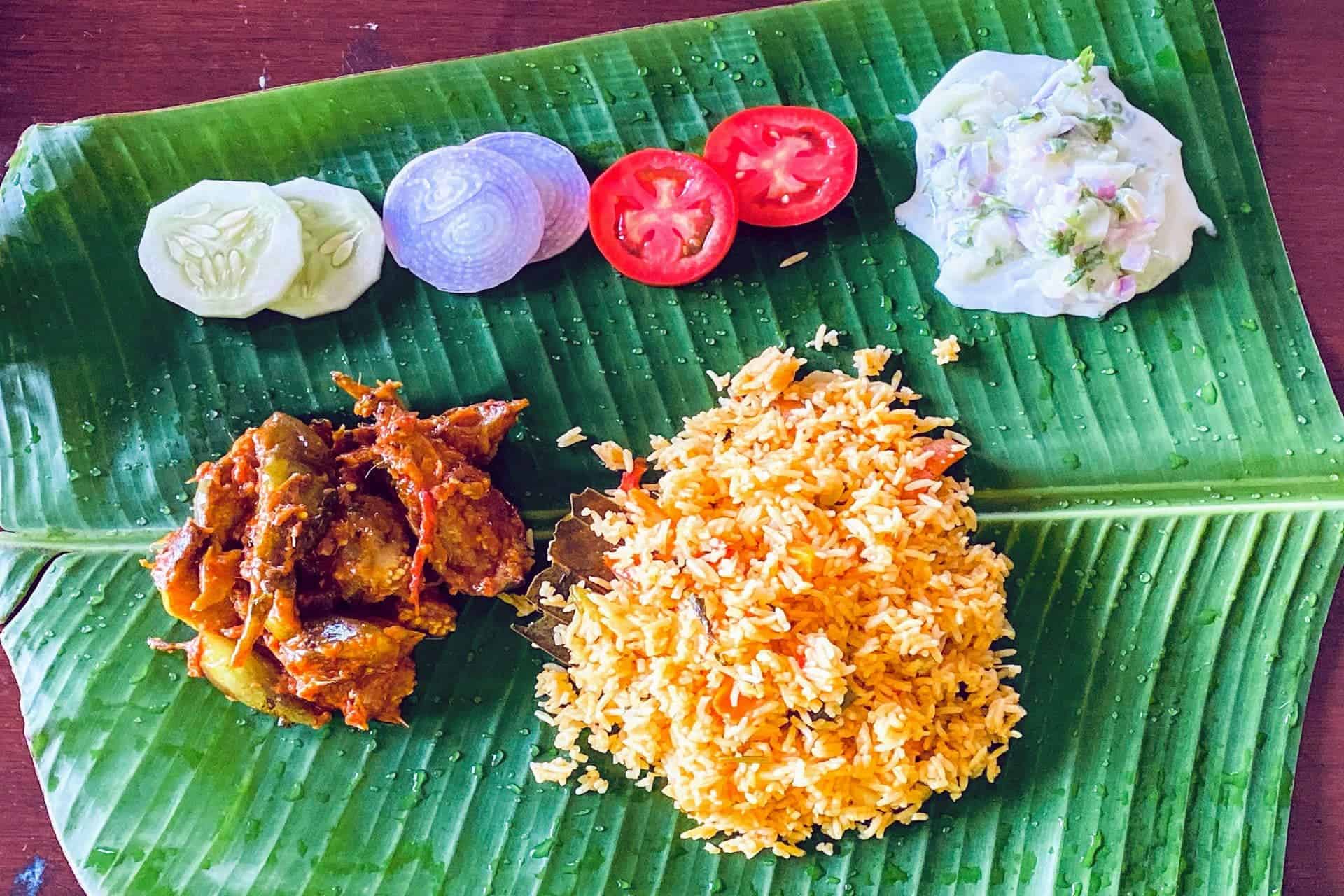
MTR Foods is now part of a publicly listed company, but its roots in Bangalore remain strong. Every year, they anchor a popular food festival called Karunadu Swada. Usually held at Jayamahal Palace Hotel inside an air-conditioned hall, this event brings together 100 dishes from six regions of Karnataka: Hale Mysore or Old Mysore, Uttara Karnataka, Dakshina Kannada, Udupi, Coorg, Kalyana Karnataka which is closer to Telangana. For a vegetarian like me, this is an eating festival like no other—where nothing is off-limits. And so, indulge I did. What was great was that even though I ate a lot, I did not feel heavy the following day.
What were my take-aways? Karnataka is a land with varied local ingredients that perfume and flavour our foods. As Sunay Bhasin, CEO of MTR Foods, said in his welcome speech, the Byadagi Chilli, grown in the red soil of Haveri district in Upper Karnataka, adds intense flavour and red colour but is not as hot and pungent as other kinds of chilies. Dakshina Kannada is known for its uniquely flavoured brinjals called Mattu Gulla. The coconuts of Udupi and Dakshina Kannada are grown in laterite soil close to the coast, which also lends it a deep flavour. The jaggery from Mandya has a complex earthiness and a mineral warmth which infuses the many sweets of Karnataka. “This celebration of ingredients is also a celebration of seasons,” said Bhasin. During Yugadi, the fresh young neem flowers flavours the bevu-bella that is offered as a prasadam. The raw mango that fruits during the summer is instantly transformed into chutneys, chitrannas and gojjus. “In Karnataka, the calendar and the kitchen have always spoken the same language,” said Bhasin.
I also tasted dishes that I had not tasted before, including the kummi curry or mushroom curry from Coorg. I also ate some excellent bajra rotis from Uttara Karnataka. Even better, I was able to watch the women make these soft rotis with the coating of sesame seeds. Uttara Karnataka authentically offers one of the healthiest cuisines. The now-lauded millets are its core ingredient for rotis.
Each counter had a unique drink from the region, made with kokum, jowar kanji or jaggery. There were a lot of fresh chutneys, coconut-based, of course, but also made with a variety of gourds and vegetables, including bitter gourd – that preserved the flavours and the health of the underlying ingredients.
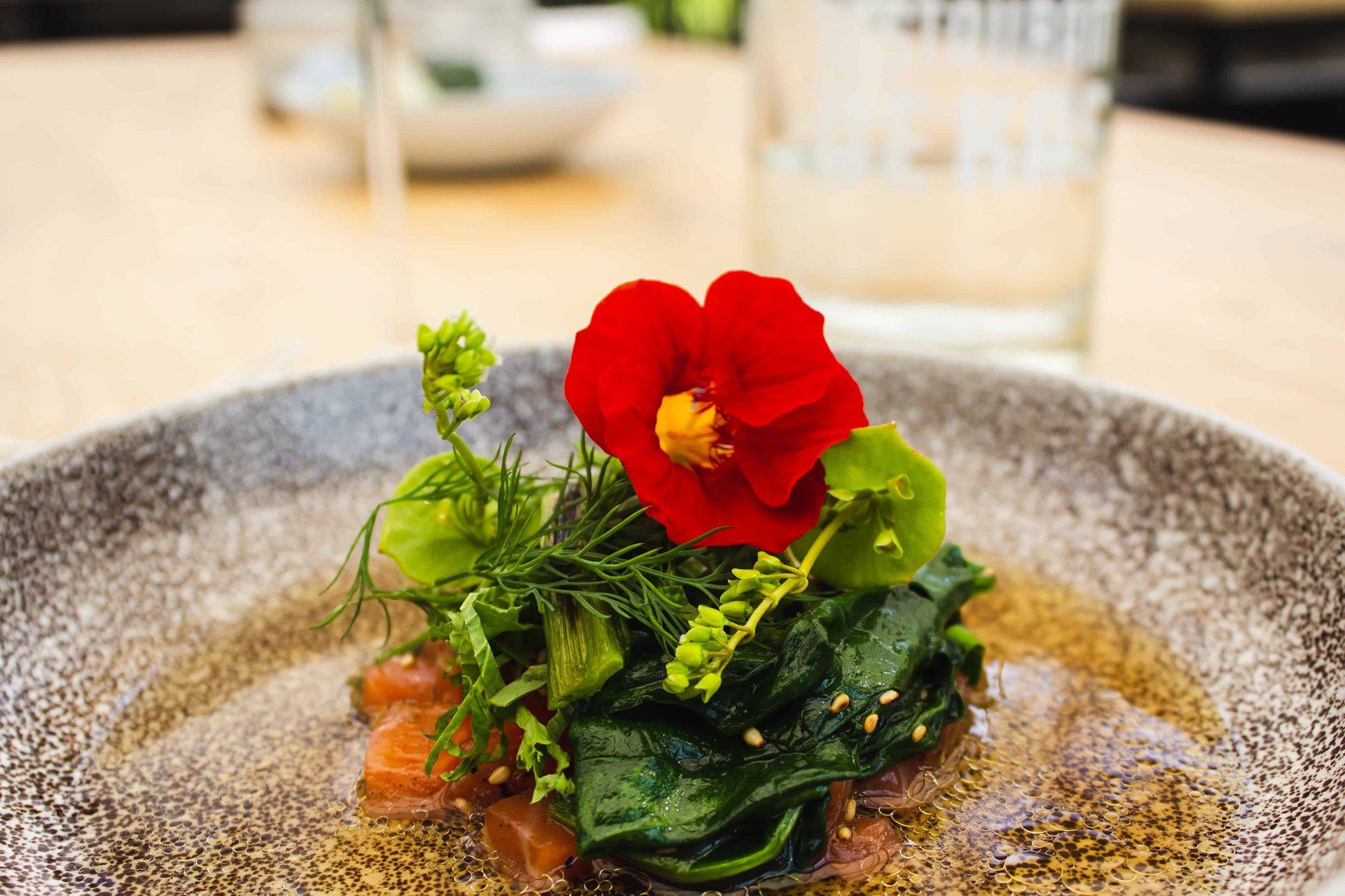
In Bangalore, we are lucky to have food festivals come to our many hotels. Today five-star hotels have global pop-ups, inviting Michelin-starred chefs to come and cook in their kitchens for a few days. Festivals like what MTR is doing made me realise that some of the best dishes lie in our own backyard. The question is how transferrable this effort is. For example, if an Oberoi or a Taj does a regional Karnataka pop-up, will people come? They may, with enough storytelling. Akhila Srinivas does successful pop-ups in her Courtyard Communiti by inviting chefs from all over India. But regional cuisine is a whole different concept. We Indians take our own cuisine for granted. We eat it at our homes. We may try variations at our friends’ homes. But to go out and pay good money for a well-designed pop-up with authentic foods from Belagavi, Vijayapura and Kalaburgi? Tell me, would you pay for this?
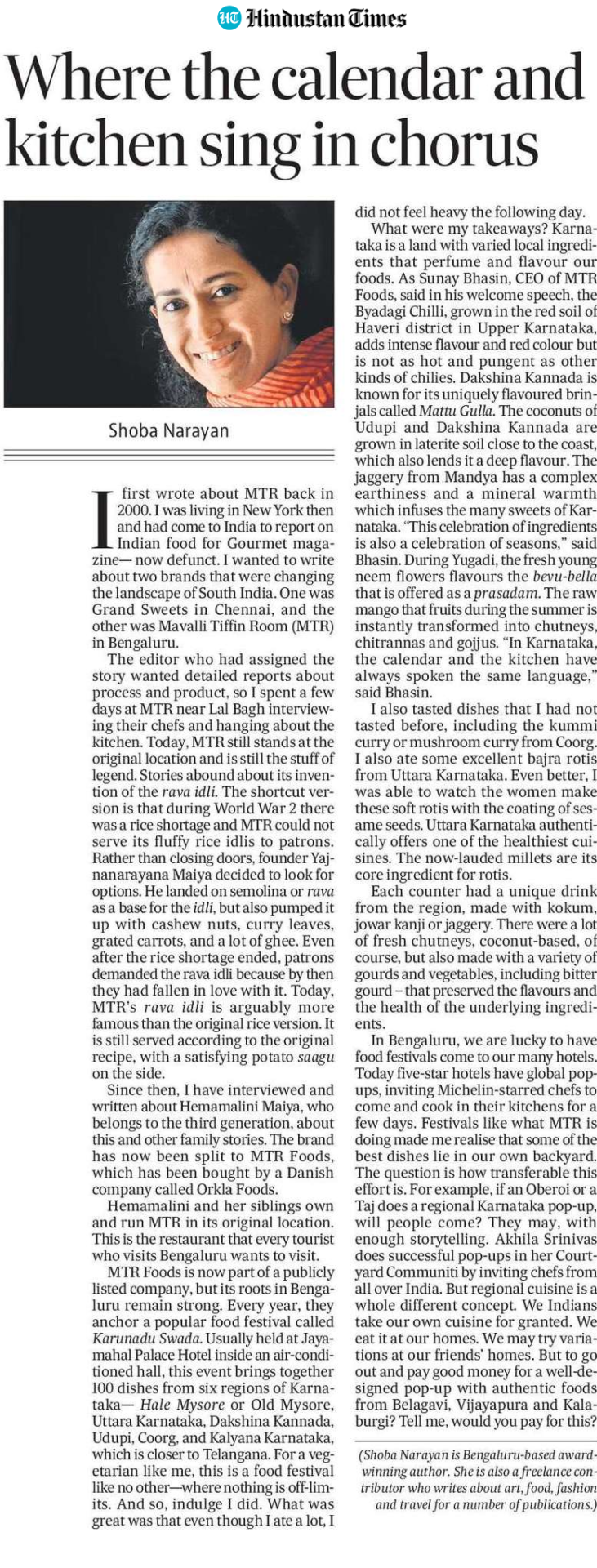
-k4lD-U204025897261YmH-250x250%40HT-Web.jpg "Shoba Narayan")
Shoba Narayan is Bangalore-based award-winning author. She is also a freelance contributor who writes about art, food, fashion and travel for a number of publications.



Leave A Comment