
Until the early 2000s, the word “pop-up” was used mostly for retail shops. Google Trends reports that pop-up restaurants gained ground only around 2014. Today, restaurant popups are common all over the world. In New Delhi, diners are willing to pay close to Rs. 1 lakh for the fleeting privilege of tasting a visiting Michelin-starred chefs foam and truffle dishes. In Mumbai, the figure is a bit lower for this particular social cachet but not by much.[i]
Bangalore too has restaurant pop-ups; and yes, we too import celebrity chefs. But our heart lies elsewhere. More and more, Bangalore restaurants are championing the local over the global. We love the underdogs chefs, outliers who obsess over fermentation or sea buckthorn, self-taught culinary researchers who chase ancient Indian tandoor techniques, obsessive revivalists of obscure rice varieties like Mullare, Kaje or Ukda Tandul. Bangaloreans like conviction and causes more than celebrities (although we do that too).
The Oberoi Bengaluru is an example. They focus on micro-cuisines and brands that fiercely protect their roots and cultural legacy. Over the last couple of years, they have brought down chefs such as Jigmet Mingur of Ladakh, the Singh sisters of Beluadeori; and restaurants such as Oota of Karnataka, Amar Khamar of Kolkata, and Rynsan of Shillong.
Round the corner, The Park Bangalore has featured cuisines from Nagaland, Ladakh (Chef Nilza Wangmo), Bastar in Chhattisgarh, Badaga food from the Nilgiris, Khasi food with Daki & Daphi and many more. “Every pop-up brings a fresh perspective through storytelling, celebrating the vibrant culture and diversity and transforming the act of eating into dining into an immersive experience that goes far beyond the palate,” says The Park’s general manager, Kiron Kumar.
Some pop-ups bill themselves as restaurant collaborations based on approach. For example, Fireside in Kalyan Nagar, which focuses on fire-based cooking (the restaurant has no gas connection), did a collaboration with Hearth of Mumbai, which has the same values and philosophy. Madras Kitchen at UB City hosted a pop-up where Hosa from Goa created contemporary South Indian flavours, also aligned to its kitchen.
This does not mean that celebrity chefs don’t visit. All five-star hotels use celebrities as a way to increase footfalls into their restaurants. The Oberoi invited Michelin-starred Odette of Singapore, which Chef Anirban said “was a vital masterclass for their staff.”
The Leela Palace Bengaluru specifically invites Michelin-starred restaurants such as Cenci from Japan, and Araya from Chile to take over Le Cirque, their fine-dining restaurant. In 2025, they had 3-Michelin-starred Italian chef Massimo Bottura visit and priced each dinner at over Rs. 50,000 per diner. The two dinners were sold out. “Restaurant pop-ups do two things for us,” said The Leela’s Director of Culinary, Bengaluru and South India, Simran Singh Thapar. “For the staff, it is a way to learn techniques and culinary protocols that they can carry forward. For example, how do visiting chefs think about ingredients, how do they plate dishes, how do they interact with diners and so on. For our patrons, it is a way to enjoy a world-class meal without the hassle of travelling to a foreign country, booking a table, waiting for it and so on. They can travel half an hour and enjoy a Michelin-starred meal that would not be accessible to them elsewhere.”
Some of my friends who paid Rs. 50,000 for the meal rationalized it as lower than the cost of an airline ticket to Italy.
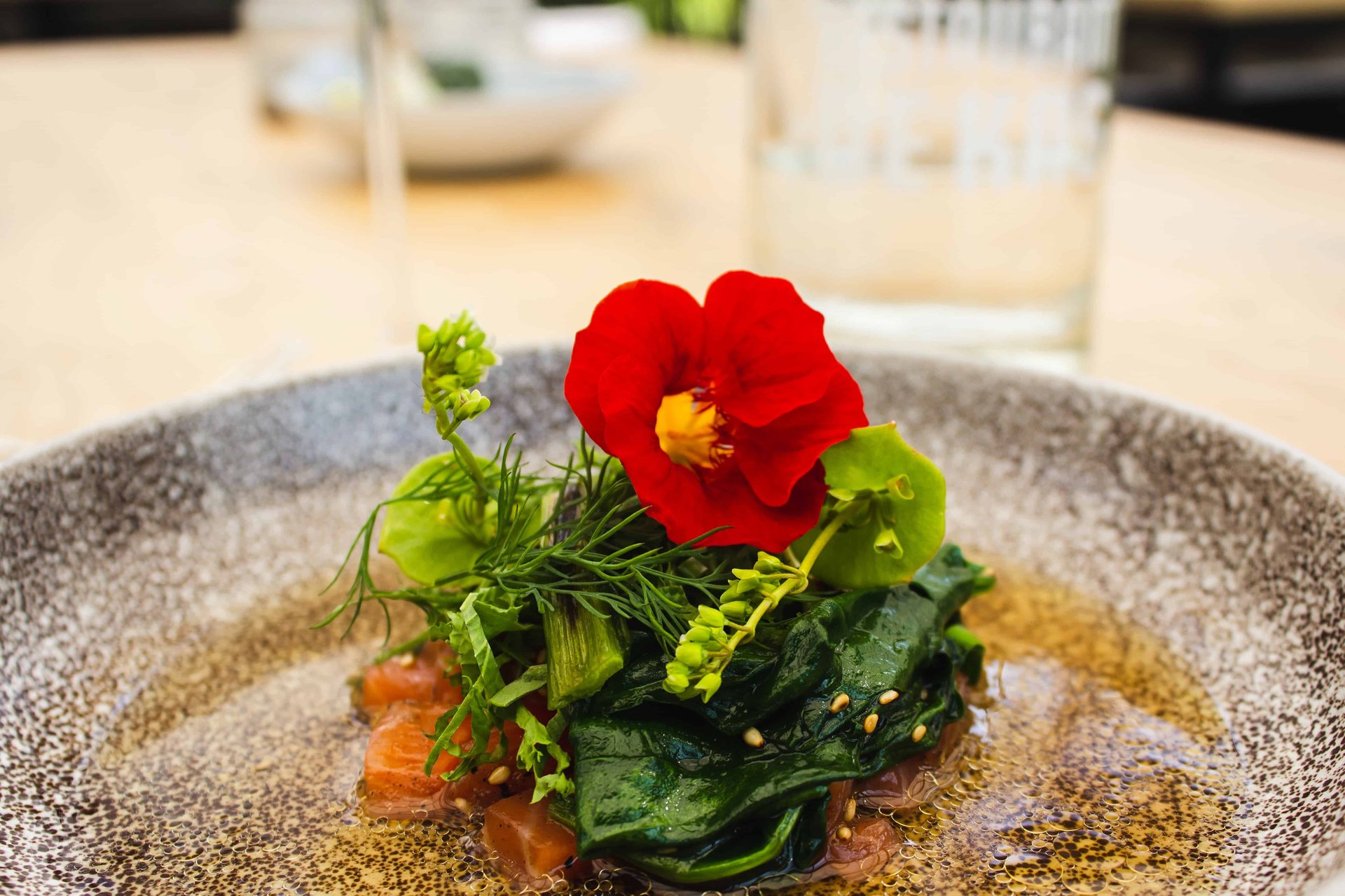
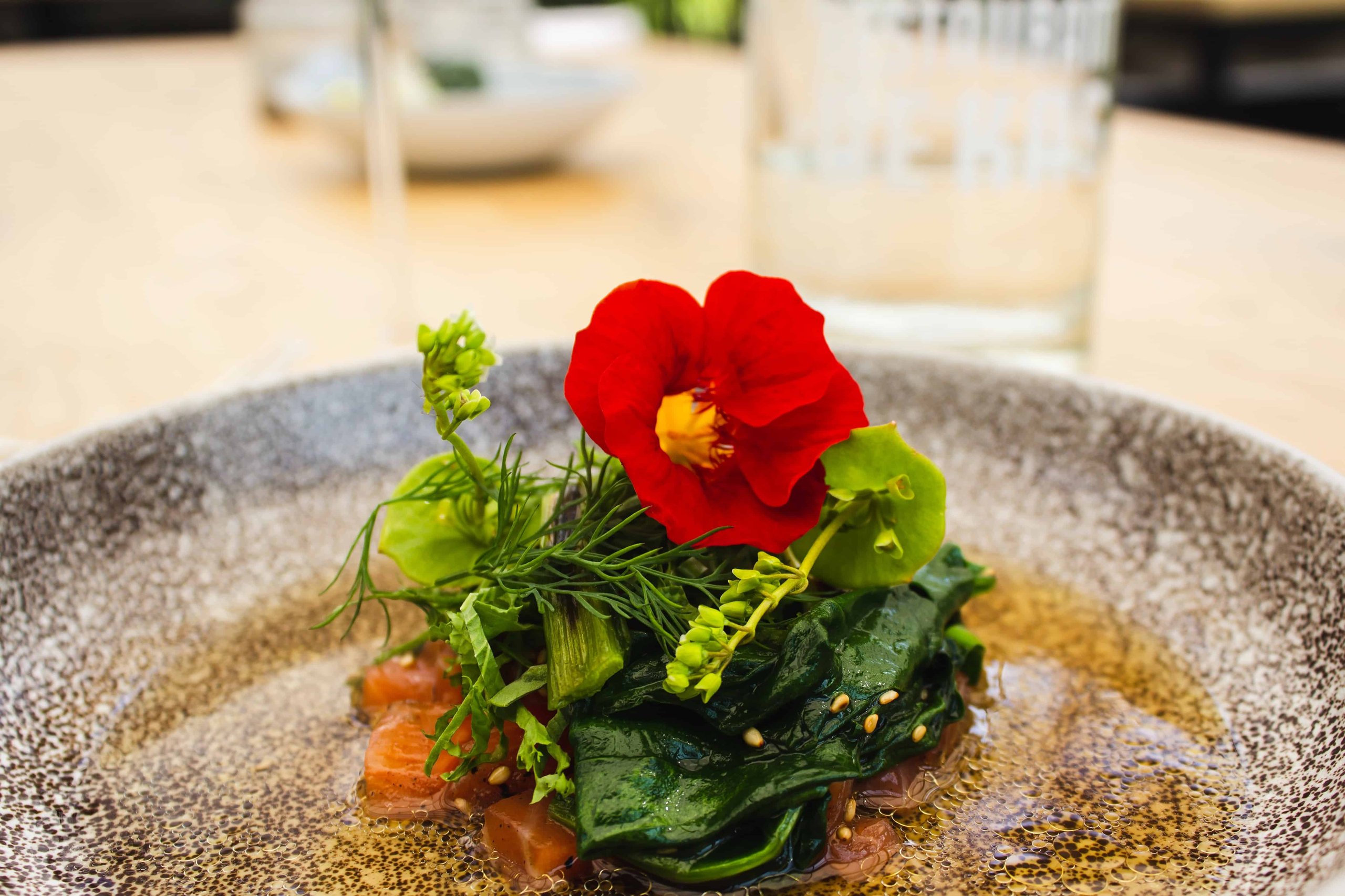
This rise of the transient table raises an uncomfortable question: has our most interesting food lost its permanent address? On the plate, the benefits of this shift are undeniable. Freed from the constraints of the multi-cuisine multi-page menu such as the ones that my family used to enjoy at Sukh Sagar in Koramangala, chefs can fly. The multi-cuisine menu must dutifully balance and appease a twelve-person multi-generational family each of whom wants different things: butter naan, curd-rice, pasta, and chili chicken. Today more and more restaurants are paring down their menus. But a pop-up kitchen offers an uncompromising point of view. A chef can design an eight-course tribute to foraged Deccan greens, build an entire dinner around forgotten coastal vinegars, or serve fermented fish pastes and naati kozhi (country chicken) to a dining room of forty people who bought tickets precisely for that unvarnished experience. The food emerging from these fleeting dining rooms is easily some of the most audacious, thoughtful, and intellectually stimulating cooking happening in India today.
That said, restaurant pop-ups are in a sense like Cinderella, arriving at the ball with great fanfare, and disappearing at the stroke of midnight. Pop-ups transform dining into a competitive sport, fuelled by quickly disappearing booking links, curated guest lists, and algorithmic FOMO. As Chef Anirban of the Oberoi says, “A restaurant can easily slide into becoming just a temporary venue, rather than a living, breathing, and evolving dining destination that collaborates with brands. Over-indexing on pop-ups can quickly erode a restaurant’s core identity, culinary philosophy, and internal innovation.”
So what is the solution? Bangalore restaurant, Nila, may have an answer. It’s chef-owner Rahul Sharma has taken an innovative approach to its menu. Rather than a single menu, it is intentionally rotational. So far, there have been three menus: inspired by Nagaland, Ladakh and Kerala. Next in line is the Sundarbans. “Every time we explore a region, we invite a chef from that part of the country to cook alongside us,” says Rahul. “It gives us an opportunity to bring the region’s ingredients, flavours, traditions and dishes to the table, interpreted through our own unique approach.”
To be fair, most stand-alone and long-standing restaurants in Bangalore at different price points like 13th Floor, Tandoor, 1947, Koshy’s or ITC’s Royal Afghan don’t do (and don’t need to do) pop-ups. People visit these restaurants for the predictable and comforting food. Some five star hotels like the Taj West End rarely does pop-ups, preferring to have bar take-overs at its acclaimed restaurant Loya. My brother took my mother for her birthday meal to Loya and she thoroughly loved the food and cocktails.
Some hotels like JW Marriott Prestige Golfshire use pop-ups as a way to lure diners. A couple of years ago, I travelled two hours to have a pop-up dinner there by Chef Gaggan Anand, whose Bangkok restaurant routinely stays in the top of most “best restaurant in the world” lists. It was an exceptional memorable meal, well-worth braving the traffic. I still remember it.
[i] https://www.livemint.com/companies/news/michelin-star-chefs-india-luxury-dining-cost-11793095420816.html

Shoba Narayan is Bangalore-based award-winning author. She is also a freelance contributor who writes about art, food, fashion and travel for a number of publications.



Leave A Comment