
I grew up in Chennai and Coimbatore. My parents are from Palakkad. But the land I am drawn to is Tulunādu, the area in South Canara or Dakshina Kannada. Here, there is deep and abiding connection between humans and nature. Like most Bangaloreans, my introduction to Tulunādu came through film, specifically through Kantara, the blockbuster super hit that portrayed this region’s culture, customs, and rituals in technicolor.
The Tuluvas, much like our Indian ancestors, worship trees, snakes, rivers, fire, forests and more, through deities called “Bhootas” or “Daivas” which represent supernatural and powerful spirits. I have visited Tulu Nādu many times, and each time I am left with awe and wonder at the fertility of the place and the imagination of its people as seen in their bhoota kola rituals and yakshagana performances. The food offered at such community events is sumptuous yet simple, flavoured with cashew and coconuts.
Those who don’t have access to this culture can watch it online. Just type “beauty of Tulu Nādu” and you will see videos of the land, its rituals and its people. I subscribe to a Facebook page called Beauty of Tulunad. Here I watch ancient rituals and dances in which people walk on fire or fall unconscious because they have been possessed by the spirits. The specificity of the land, its culture and cuisine beg the question: how has this small portion of Karnataka spawned so many flavours?
I called Ullas Karanth, acclaimed conservation scientist, whose lived knowledge of Kannada culture comes from his father, the late great Jnanapith awardee, Shivarama Karanth, and also his mother and wife, who are both Bunts. To understand the culture and cuisine of coastal Karnataka, said Ullas, you must begin with geography.
South India is a misnomer, a blunt instrument, to describe a layered land with varied cuisine. The Konkan-Kanara coast, in particular, is a messy if glorious conglomeration of castes, sub-castes, languages, cuisines and customs. Some overlap; others don’t. The British with their love for administrative tidiness divided the southwest Indian coast into Travancore-Cochin, Malabar, and Kanara – the last one being a Colonial term for the language Kannada, which served as the administrative glue for a dozen little kingdoms.
By the 19th century, the Brits had split Kanara into North and South, tethering North Kanara to the Bombay Presidency and keeping South Kanara with Madras. Today, when people say they are from Mangalore, it is actually a cooked-up anglicization. The reality is a beautiful messy overlap of Udupi, Dakshina Kannada, and the old Kasargod Taluk, which now belongs to Kerala.
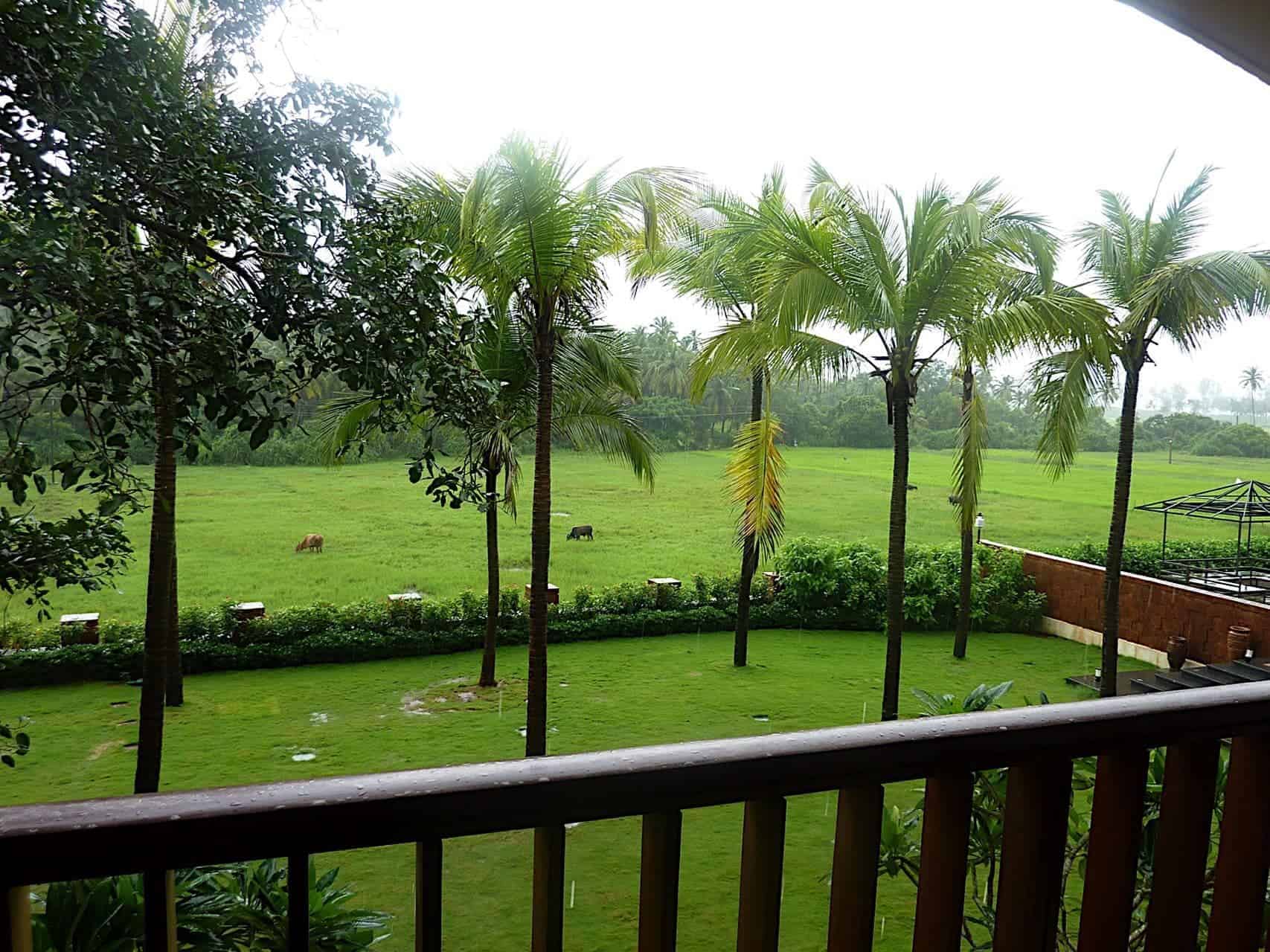
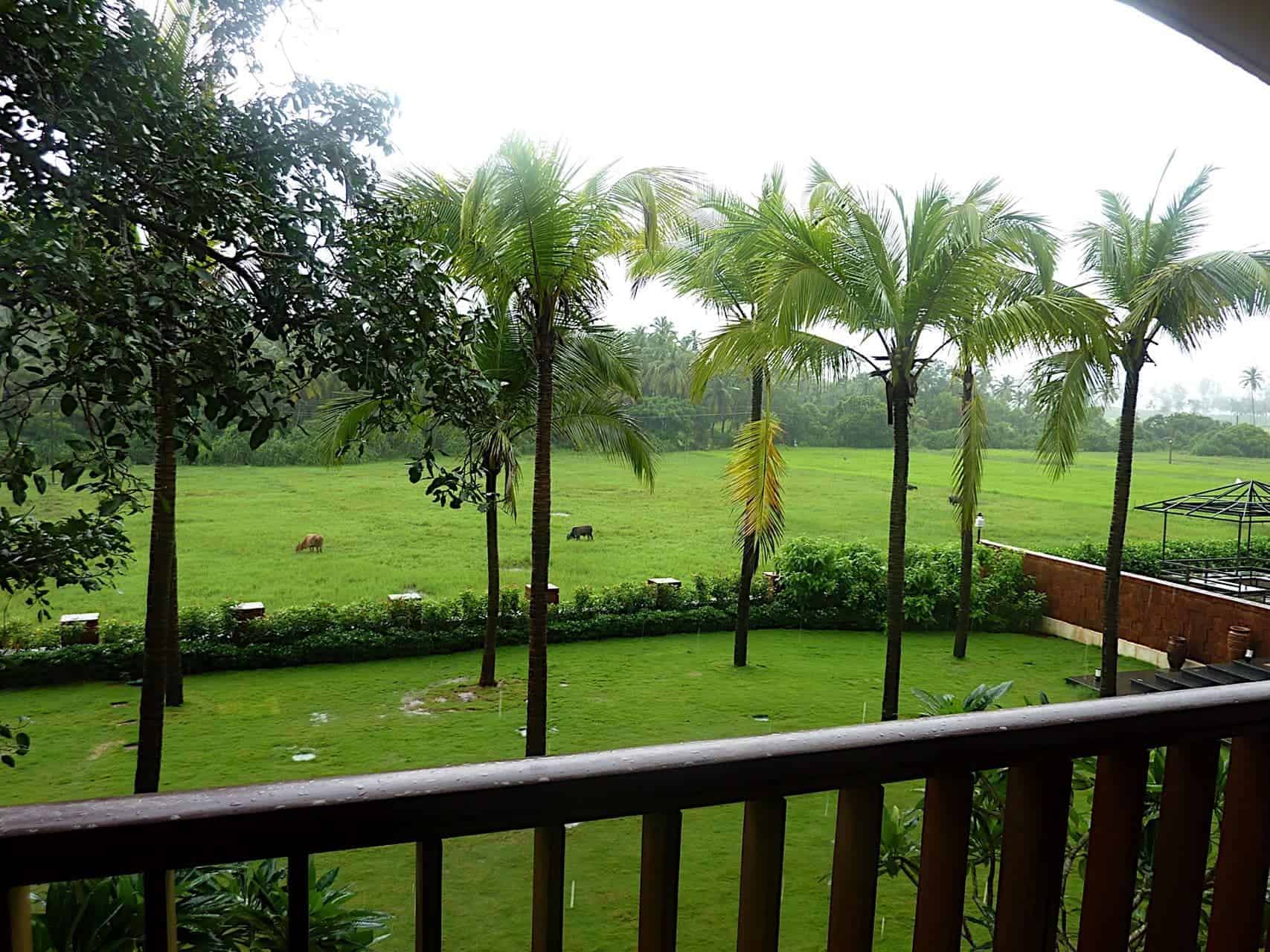
While the Konkan region further north (Goa and coastal Maharashtra) has its charms, the real botanical magic happens further south in Kanara and Kerala, thanks to two geological phenomena: the much-taller ghats and the much-higher rainfall. To quote the Scottish historian, W.W. Hunter who wrote the magisterial nine-volume Imperial Gazetteer of India, “the monsoon dashes its rain-laden clouds on the Western Ghats,” and by the time it crosses, it has “dropped the greater part of its aqueous burden” leading to “tracts of inexhaustible fertility.”
This fertility led to spices that the world coveted, along with fruiting plants, mushrooms, tubers and heritage rice. Access to these riches is why the food of South Canara is so much more maximalist than elsewhere in India. This region, called Kanara, South Canara, Dakshina Kannada and Tulu Nādu depending on who you speak to, includes Kudla (later called Mangalore), Kundapura, Udupi, Puttur and Kasargod. It’s cuisine too varies depending on the sub-sect. Here is a broad categorization.
Brahmin: There are the Shivalli Brahmins (Tulu-speaking) who are known for their cuisine and hospitality. Equally, Kota Brahmins too became restaurant entrepreneurs and gave us MTR and Udupi Krishna Bhavan. Together these clans are the gold standard for Udupi cuisine. Then there are the Havyakas, whose unique dishes are like a secret language.
Konkani: The Chitrapur Saraswats (with last names like Karnad) are largely vegetarian, while the Gowda Saraswats (the Pais and Shenoys) famously view fish as “sea vegetables” but draw the line at meat.
Mangaloreans: The Roman Catholics, who claim this moniker, often calling themselves “Mangi-Bangies” offer a unique blend of Kanara and Goan styles with pork bafat and sorpotel, served with yeasty sannas.
The Bunts, Billavas, and Mogaveeras (fishermen) bring a fierce energy to the table. While Bunts along the coast traditionally skip pork, their cousins further inland and along the Ghats embrace it. Says Ullas, “Bunts have the most diverse non-veg cuisine regionally, followed by Billavas (numerically the largest group) and Mogaveeras. All have unique dishes and all are matriarchal. Traditional Bunt dishes are Kori Rotti and its Ghassi, Kori Aajadina (dried chicken) and in Kundapura, Koli Taallu, consumed with Halasina Kadubu.” Halasina refers to jackfruit and kadubu is like an idli wrapped in a jackfruit leaf.
Sometimes the same dish is called by different names. For example, the famous dish made with curried clams and rice dumplings is called Marwai Pundi by a Tuluva, while a Catholic calls it Kubey Mutli.
From the Byari Muslims, whose cuisine differs subtly from the Mappila food of Kerala, to the pure-veg Tulu Jains, the Kanara coast or what locals call Karavali isn’t a monolith. It’s a kaleidoscope.
In Bengaluru, we don’t just eat “coastal food,” at restaurants such as Sanadige and Anupam’s. We eat a map of the land, combination with the techniques that adapted to migration, trade, and caste-taboos, all served with generous helpings of coconut.
-k4lD-U204025897261YmH-250x250%40HT-Web.jpg "Shoba Narayan")
Shoba Narayan is Bangalore-based award-winning author. She is also a freelance contributor who writes about art, food, fashion and travel for a number of publications.

Extremely fascinating and informative.