Column: The Good Life: for Mint Lounge

Why isn’t Ahmedabad the seat of design?
I am visiting this 600-year-old city that Sultan Ahmed Shah founded, for the first time, and I love it. I didn’t expect to. Indians are funny that way. Each of us is intensely proud of the region we call home, and, truth be told, there is enough in each place to be proud of. Talk to a Goan and they will act as if the good life or Sussegado originated in Goa. Talk some more and it becomes hard to argue otherwise. Talk to a Tamilian and they will act as if culture begins and ends in Chennai. Visit Chennai in December and you will become convinced. Talk to a Bengali and they will make your head spin with their literary and intellectual allusions. All Bengalis think Kolkata is the center of the universe and once you get into the ‘adda’ mindset, you will feel the same way too. And now, Gujarat. Deep breath.
Your city determines how grumpy you are
Recently, I read a book called “The Geography of Bliss,” by Eric Weiner. In it, Weiner, a radio correspondent who calls himself a world-class “grump,” visits about a dozen cities around the world to answer what, to him, is a fundamental question: why are some places happier than others? Why, for example, do countries like Puerto Rico, Switzerland and Denmark score higher on the “happiness scale” than African countries like Burundi, Sierra Leone and Togo? Compiled by Dutch sociologist Ruut Veenhoven, India scores a respectable 5.5 in this World Database of Happiness. So do Hungary, Russia, Lithuania and Kyrgyzstan. We score higher than the African countries with a score of 2.5, but much lower than the “happiest” countries of the world that score at least 8.0.

Reflecting on the Republic Day and the March Past
Now that the pomp and pageantry of Republic Day is over, perhaps we should all look inwards and reflect on the thing that epitomizes this national holiday. I speak of course of the humble “march past.” Think about it. If there is one thing that unifies the Indian childhood-- beyond mother’s milk and the monsoon, it would be the march past. Here is a light piece on memories of the march past and what it takes to be a good marcher.
Book review of Where the Gods Dwell
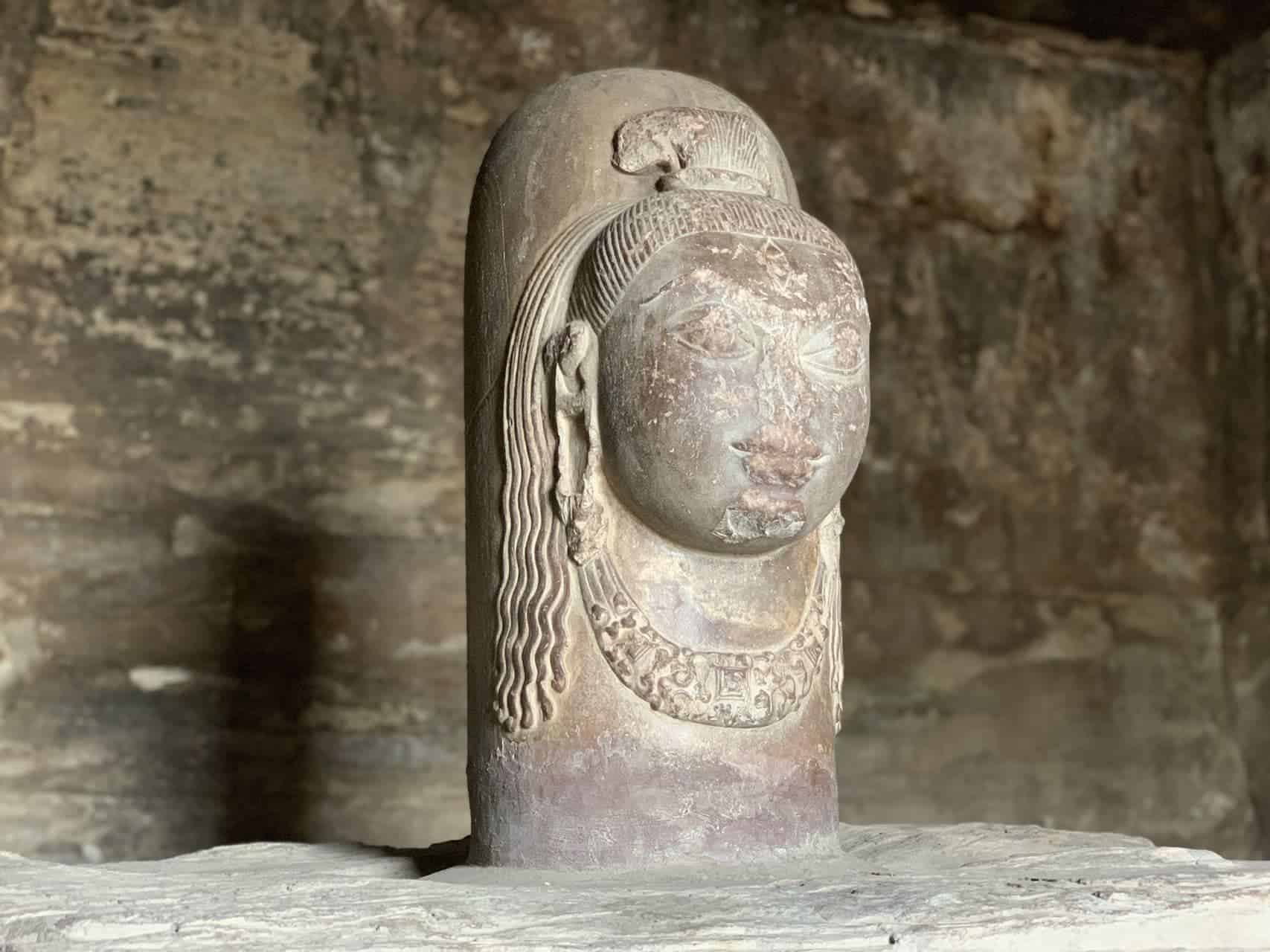
When Rosella Stephens, the gracious editor of The Hindu Weekend, asks you to write a piece, it is hard to refuse. But this was a tough piece to write. To compress a chapter into a line is both a service and a disservice to the author and topic, but that is exactly what I did here. Read on if you are interested in religions and sthala-puranas or stories of a sacred place.

What’s your Covid takeaway?
Bangaloreans are looking back-- and forward. We are asking ourselves and others about resolutions and Covid-takeaways. What changed in our lives? What remained constant? Silk List, an online mailing list, founded in Bangalore had a discussion on this topic. As did many alumni reunions that I attended in person and virtually. I compiled the answers into categories-- and directives. Which one resonates with you?

Israeli wines, gin cocktails, single malt and more
Omicron still rages. But here is a secret. This year, I drank very well. Partly because I was drinking at home, I decided to make a celebration of it. Here are some of the things I enjoyed. A 30-wine tasting at Grover Vineyards, wines from Israel, some unusual gins, and single malts from India.

Episode 30: Birding in Uganda with Judith Mirembe
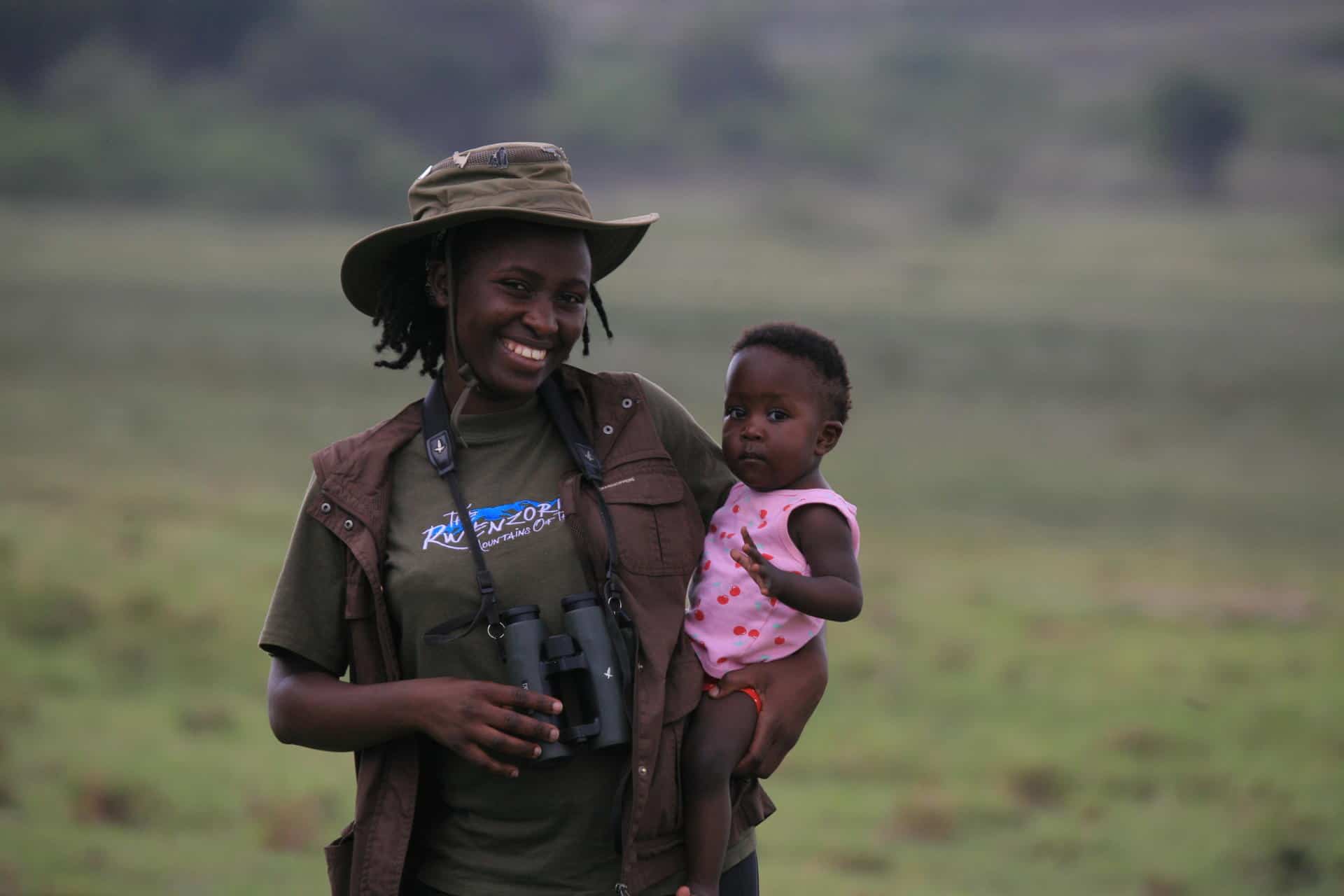
One of the most satisfying things I do is the Bird Podcast. It releases once a fortnight. This episode is special because it is my first interview with a birder from Africa. The differentiator that we try to maintain is that our podcast has 50% women guests. The other differentiator is that, much like birds, our podcast has no borders. We roam the globe with our guests. We have recently started doing audio and video podcasts so you'll find us on Youtube as well as all podcast platforms.

What do Bangaloreans do for New Years?
Here they come again, the questions: what are you doing for New Year’s? Any plans? Here are some suggestions from interesting Bangaloreans about celebrations. Walks, restaurants, shopping, service, coming home, food, here is a bunch. To celebrate may seem unseemly given the turmoil and crises that many of our family and friends have gone through. But it is also a way to leave behind our guilt and pave the way forward. It is a life-giving affirmation.

Women, work and the pandemic
In the throes of the lockdown, a strange event happened in our privileged apartment community in Bangalore. What was strange was how normal we thought it to be at that time. A young man wrote to the building committee asking if his cook could be allowed inside the building. He was a single working man, he said and needed food. This was discussed. “Tenant in Apartment 845 wants his cook to come-- on alternate days at least-- to cook for him,” was the gist of the discussion on the committee Whatsapp group. What was interesting was that most people in the ten-person committee, including the women, thought this to be a normal request.

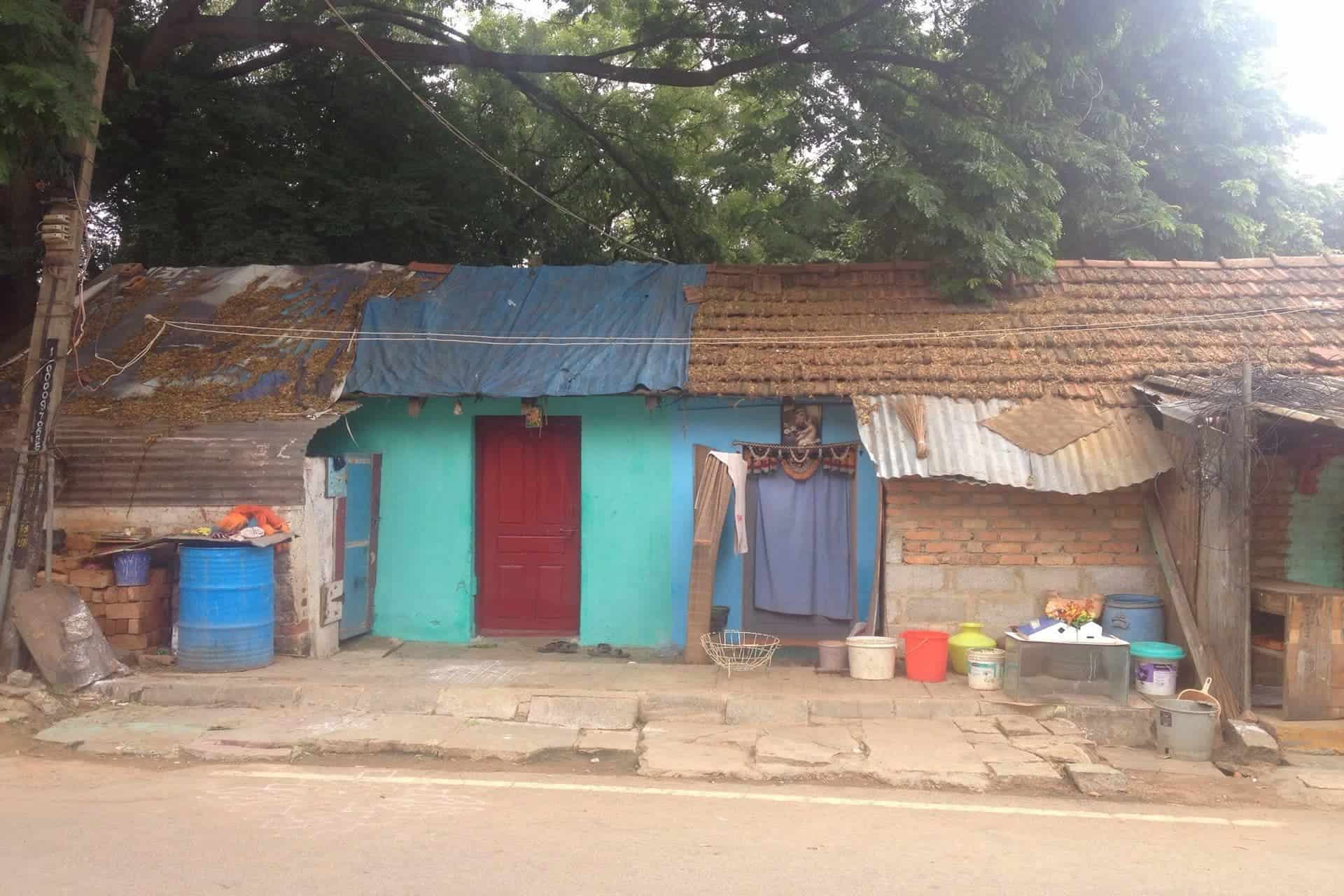






Is wealth a good measure of a man? Or Woman?
Every professional I meet at Bengaluru’s great companies, be it Titan, Infosys, Wipro, Biocon or Flipkart, have their “origin tales” of how they struggled and succeeded. Equally, all of us, now lead lives, where we do everything we can so that our kids don’t struggle. This piece is about money and what it means. Many middle-aged Indians who are successful professionals today have our “unreserved compartment” stories. You know what I mean? Or maybe you don’t. It is the moment when you travel by Indian trains. There you are, after an ungainly undignified scramble, sitting on the upper-berth of the unreserved compartment, surrounded by sweaty bodies. In a scene worthy of a Kannada movie, you swear that you will never put yourself through this again.