
Why are Kannadigas in particular and South Indians in general obsessed with jaggery? Is it because sugarcane is widely available in the region? Is it that South Indians like the dry and crumbly flavour of jaggery as opposed to the unctuous nature of the khoya cream that sweetens North Indian desserts? Is it that we Dravidians have an intrinsic and genetic aversion to the syrupy spongy milk-based ras malai and mishti doi that are a favourite of Bengalis? Are we lactose-intolerant as a people? Is this why we turn to the bella or jaggery for sustenance and solace?
The supremacy of jaggery is most obvious during our great harvest festivals. You can see it right before your eyes. The streets are full of sugarcane which is extracted and alchemized as the jaggery that sweetens festive delicacies.
Although Karnataka cannot claim it, the process of refining sugar from sugarcane was invented in our subcontinent as early as 500 CE. In fact, the word sugar comes from the Sanskrit word, sarkara, and the word candy comes from khanda, which is what our ancestors called the sugar syrup that they poured into molds to solidify and transport. Today we do the same thing, but call it by a different name, as you will see.
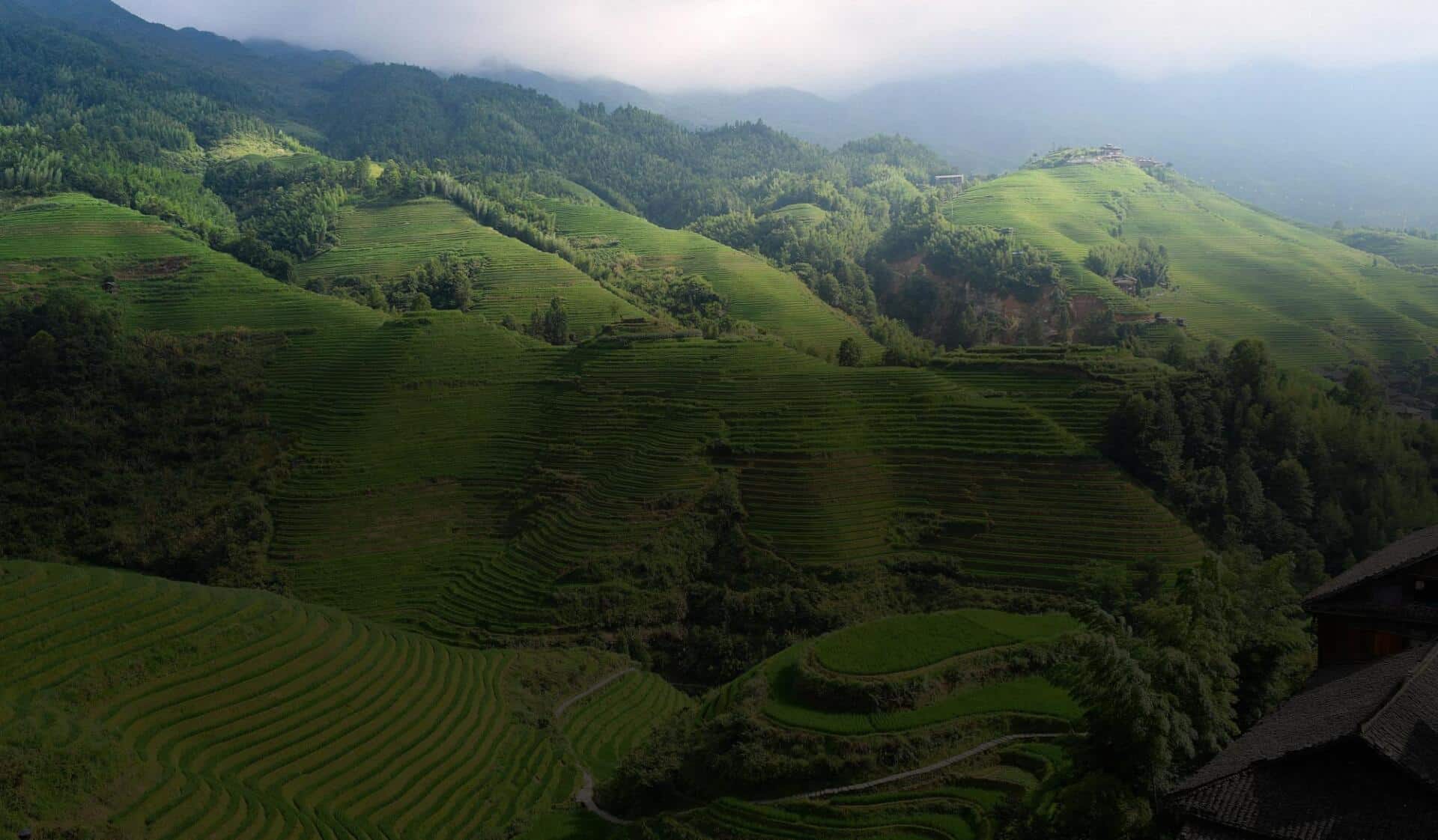
Sugarcane grew in abundance all over India. Karnataka ranks third in production of sugarcane. Within Karnataka, Mandya and Mysore are important growing centres, along with Belagavi, Bagalkot and Vijayapura. Mandya jaggery is prized by Bangaloreans for its flavour but also because it is easy to access. Farmers who grow jaggery in Mandya sell it at the local santhes or markets from where the jaggery is trucked to Bangalore by the Vokkaliga Gowda and Reddy traders and distributors who are the traditional owners of jaggery units in the area. The fields around Mandya also contain the bele or pulses that add girth to our sweets. The bella (jaggery) and the bele (pulses or lentils) are the cornerstone of sweet preparations, pretty much South of the Vindhyas.
This is something I live with, not necessarily love. Even though I grew up in South India, I prefer gooey desserts of the kind that are served in Kolkata or Delhi. Give me a frothy daulat ki chaat, that people in Delhi and Lucknow favour, and I will swoon. In the South, however, people sneer at this sort of viscousness. They believe that white sugar is a one-dimensional sweetener that lacks nuance. Jaggery is complex and layered. Lick a piece of bella and you will taste a bit of salinity, the smell of the earth and certain mineral-type notes of the kind that wine-lovers brag about. It has a longer mouth-feel as opposed to the tinny, high-pitched treble-spike of sugar. Jaggery is also nutritionally richer than sugar because the minerals like potassium, magnesium, selenium and iron have not been leached out through refinement.
The other essential ingredient of Kannadiga desserts is equally contrarian, when you think about it. We associate dals and lentils with savoury items, but guess what, we put these lentils in our desserts also. The girth in our festive sweets comes – not from chenna (milk curds) or khoya (thickened milk) – but from cooked and mashed pulses, typically kadale bele or channa dal, but also whatever is on hand and in season. The use of lentils as a dessert base does two things: it gives a savoury, nutty foundation to the sweet, and also announces the sweet as somehow more virtuous. This is protein masquerading as dessert.
The signature dish that sports this duet is of course the obbattu or holige. Both words refer to the same sweet but are used in different parts of the state. The holige is a sweet flatbread that is made for every festival and indeed every day. Just go to holige mane outlets all over Bangalore and see the lines outside at dusk. The holige is a simple combination of maida or rava (semolina) that is stuffed with a sweet, fragrant filling called hoorana. The hoorana itself can be of two kinds: one made with grated coconut, called kayi, and the other with pulses or bele. Homesick NRIs prefer to carry back the bele-filled holige because it lasts longer.
The same bele-bella combination is used in our payasa, poorly translated in English as milk pudding. While milk-based payasas thickened with rice and vermicelli are also made, the most traditional festive payasa is the bele payasa. This is made by boiling kadle bele or hesaru bele until tender and then simmering it in a mixture of melted jaggery and fresh coconut milk. The resulting dish is rich and brown, like a complex pudding, simmered with pieces of fried coconut, cashews, and raisins. It lacks the stark whiteness and simple sweetness of its North Indian counterpart that we call kheer. The bele payasa has more nuances of flavour and is vegan to boot.
This bele-bella duet forms the core identity, indeed, the magic combination, of Kannadiga festive cuisine. This applies not just to sweets but also to the savoury gravies like sambhar and rasam too – because in Kalyana Karnataka, which is the region around Mysore and Bangalore, Kannadigas add a dash of jaggery to their sambhars too. The idea is to balance the flavours; to satisfy and nourish. For Bangalorean Kannadigas, the bele-bella combination does both, thanks to their sweet earthy slow-release complexity.
-k4lD-U204025897261YmH-250x250%40HT-Web.jpg "Shoba Narayan")
Shoba Narayan is Bangalore-based award-winning author. She is also a freelance contributor who writes about art, food, fashion and travel for a number of publications.




Nice learning!