
“We are only about 20,000 Chitrapur Saraswats in the whole world,” says Dr. Arjun Kalyanpur, a radiologist and entrepreneur, describing his close-knit community. “We call ourselves Amchi Gele, or Us People, and tend to be academics, priests, scholars, and artists. Girish Karnad, Jayant Kaikini, Shyam Benegal, and Deepika Padukone are all CSBs, though Nandan Nilekani broke the mould.”
To introduce me to this world, Dr. Arjun couriered two foundational texts: the legendary Rasachandrika, a primer in Saraswat cookery as iconic to Konkani homes as the Cook & See series is to Tamil brides. The second is Asha Philar’s The Konkani Saraswat Cookbook. Both texts reveal a culinary landscape thoroughly anchored in coconut, governed by an elegant system of regional cooking known as randap.
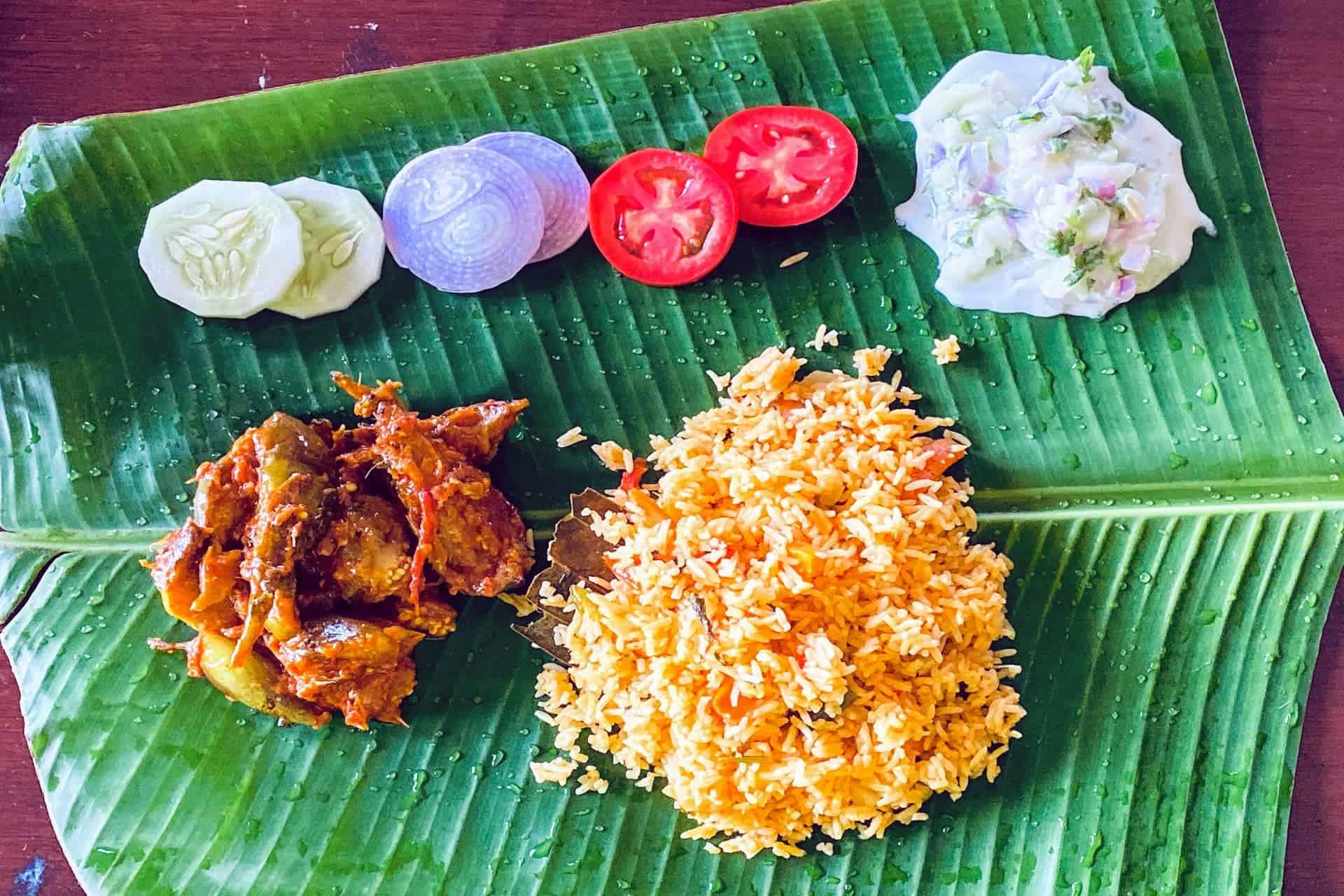
I read these books and here is what I inferred. At the heart of Konkani randap is a foundational paste: fresh grated coconut, roasted red chillies, and sour tamarind. These ingredients transform each dish through shifts in texture, spice accents, and final tempering (phann). In dry preparations like sukke, this base is coarsely ground with roasted urad dal and tempered with mustard seeds and curry leaves. Sagle keeps seasonal vegetables whole and slit, simmering them in a medium-spiced coarse paste with roasted coriander and fenugreek (methi) seeds. Milder, comforting gravies like ghashi have smooth coconut pastes that coat pulses like moong, chana, toor, or beans like jen avro (Kutch val), tingal avro (navy beans), and alsande beeye (black-eyed beans). When bolder flavours are required, the cook uses garlic, onion, or asafoetida. Fiery preparations like koddel use less coconut but fry lots of garlic in coconut oil to punch through sturdy ingredients like magge (Mangalore cucumber), raw banana, or kulith (horse gram). Bendhi pairs a fine, chili-forward paste with garlic to balance dark pulses like kali tori (black toor) and tingal avro. For daily meals, ambat incorporates cooked toor dal and chopped vegetables (tendle, cauliflower, or peas), topped with browned onions, while bhuthi uses a coarse paste with vegetables like raw jackfruit, tempered with both mustard and onions. Uniquely, humman eschews sizzled tempering altogether. This smooth, boiled gravy of potatoes or double beans is drizzled while piping hot with fresh coconut oil and asafoetida water (hinga uddak), then immediately covered tight to trap the aromatic steam. These gravies and spices are adapted to their fish dishes also.
“We are fish eating Brahmins,” says Dr. Arjun. “I was taught that you don’t eat fish in the months that don’t have the letter “r” in them.”
What gives Saraswat cooking its unique flavours? There are several reasons but three ingredients stand out: teppal, kokum, and hingu. Each plays a part in balancing the dish. Teppal (Zanthoxylum rhetsa), for instance, is a woody, berry-like spice derived from a large, thorny tree native to the Western Ghats. It is treated with immense respect in the Saraswat kitchen. It is never ground into a fine, dry powder. Instead, a handful of dried berries are lightly crushed in a small bowl of warm water or crushed directly into the fresh coconut gravy towards the end of cooking. It is used extensively in fish dishes like fish teppla ambat, as well as in vegetarian curries featuring seasonal produce like okra (Bhende Bhasthan) or bamboo shoots.
Equally critical is kokum (Garcinia indica), known natively as bhirind or amsul. While the inland Karnataka palate relies heavily on aged tamarind (hunase hannu) for sourness, the Saraswat kitchen favours kokum. It forms the base of sol kadhi, a pink drink made by infusing kokum extracts with fresh coconut milk, green chillies, garlic (in non-ritual settings), and coriander. Pink, cooling, and tangy, sol kadhi serves as the perfect antidote to both the humid summers of the coast and the rich, spice-heavy meals of urban festivities.
During the dry summer months, Saraswat households do what is common all over India: prepare crispies out of rice flour and vegetables. Dr. Arjun talked about how his grandmother used to make them in Delhi. These are called sandige, sandge or ode in the local language. They are made by mixing the flours of pulses and lentils with spices and some vegetables. Konkan houses typically use moth bean dal (matki), split green gram (moong dal), or black gram (urad dal). These are ground and then mixed with chili powder, cumin seeds, garlic paste and salt. Sometimes vegetables like pumpkin or ash gourd (kuvalo) are grated and added to the mixture, which is then cooked, patted flat and sun-dried on the terrace.
Finding Saraswat food in Bangalore is not as easy as walking into a darshini. Most people come up with just a couple of names: Kudla at the Ramanashree hotel. Other restaurants like Karavali, Sea Rock, and Konkan Express offer dishes from the Saraswat community, mostly fish dishes like Sungta Phanna Upkari (prawn stir fry), fish like anjal and kane coated in rawa and fried before placing in a bed of the coconut-chili gravy.
For vegetarians like me, accessing Saraswat food means visiting their Mutts where traditional feasts or samaradhanes are held on festivals like Ganesha Chaturthi and Rama Navami. The other option is to attend a wedding where Sona Caterers (a favourite after they catered for Deepika Padukone’s wedding) serves the Saraswat feast.
-k4lD-U204025897261YmH-250x250%40HT-Web.jpg "Shoba Narayan")
Shoba Narayan is Bangalore-based award-winning author. She is also a freelance contributor who writes about art, food, fashion and travel for a number of publications.



Leave A Comment