
If you have to assign blame, which I, like President Trump, like to do, blame the Southeast monsoon. If it weren’t for this wretched weather system, we wouldn’t have the Rabi and Kharif crops agricultural cycle, and if it weren’t for the Kharif crops, we wouldn’t be harvesting pulses and grains in September in South India, and if we didn’t harvest these pulses at this particular time, we wouldn’t have this very specific pulse-laden prasadam called sundal for Navarathri or Dussehra. There is no polite way to say this and I might be burned on the stake for saying so but hey, can we get over our insistence on stuffing unsuspecting children with this virtuous sprouted protein and worse, calling it a festive delicacy?
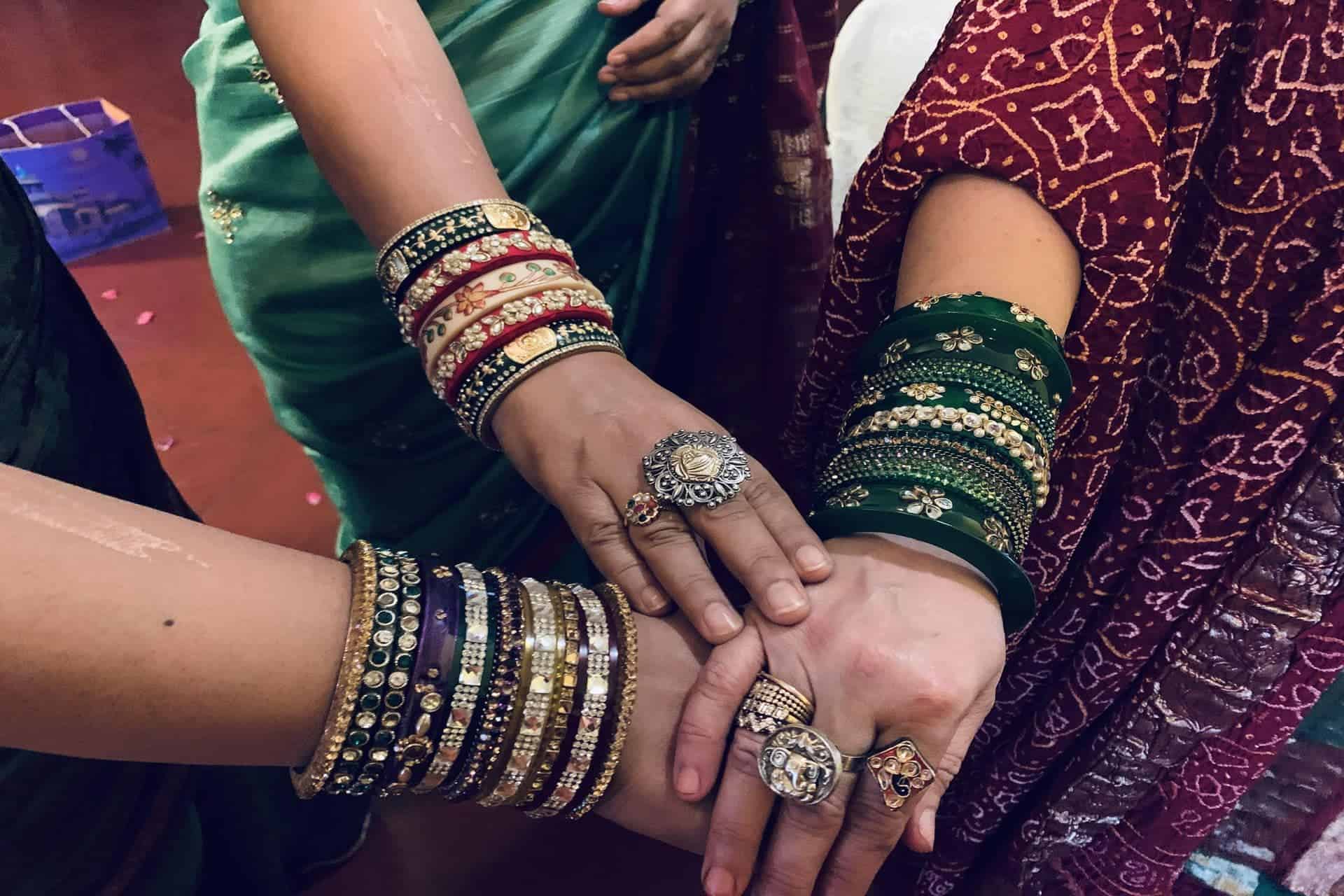
There are many types of sundals and mostly I hate them all. Festive delicacies ought to be like forbidden fruit: an orgy of fat or ghee; laden with cashews, badams, and other nuts; and soaked in milk, condensed if possible. Much like North Indian delicacies such as the shahi-tukda. Now, please don’t think that this is one more column in which a South Indian looks up to the North Indian way of life as superior and laments how South Indians are measly and stingy because it isn’t. Well, it is, but only in the sweetmeat area. In every other area, I am a proud South Indian. It all boils down to two approaches to life. The North Indian is more-is-more and the South Indian is less-is-more. It applies to our fabrics: consider the Kanjivaram saree which is subtle and plain as opposed to the flamboyance of the Benarasi weave. The same applies to sweetmeats. In South India, we like sweets like the Mysore pak and the adhirasam, both of which are marked by two characteristics that seems to be the hallmark of South Indian desserts: they are dry and made with jaggery. A double negative in my opinion, although everyone else in my family loves these sweets for exactly these two reasons.
The same applies to our khara or savoury varieties. I cannot think of a savoury prasadam in North Indian. They wouldn’t think to present anything less than ghee laden with butter laden with sugar laden with condensed milk as an offering to the gods. Here in the South meanwhile, during Navarathri, we offer not just savoury prasadams but healthy ones as well. A healthy delicacy is an oxymoron. It shouldn’t exist. A sundal ticks all these boxes. It is made with a variety of pulses. Each dish is steamed. And guess what the tadka on top is. A sprinkling of coconut strewn about like confetti. When you first see this dish, you will think it is shredded cheese. Bring it closer and only then will the good fat masquerading as shredded coconut become apparent. So there you have it. A healthy, virtuous protein that is passed off as a festive delicacy.
Once I resigned myself to consuming sundals during Navarathri and really, what choice did I have? Every aunty in my neighborhood had their own flex to make it more distinct, more virtuous. One sprouted the pulses, as if it was not enough to offer them as is. The other added a generous dose of hing or asafoetida to it. Now that I have become an aunty myself, I find that the flexes continue. My friend serves sundal cold because apparently, that improves the resistant starch component. What about tastes, I want to ask her? In all this hungama about health and variety, who is factoring for taste? My heart silently weeps as I watch Bengalis gobbling gooey milk sweets during Durga Puja, while I spoon in dry and cold sundal.
Each sundal has a character even though I hate them all. The worst is the horse gram sundal. Everybody trots them out when all things fail and everyone sells them with the same tired line: these are so healthy. The best, or should I say, the least offensive are the chickpea sundal. There is a reason why garbanzo beans are beloved in many cultures and are the basis of that gooey snack: hummus. In sundal, they absorb the flavors of the coconut and mango that are often used as accompaniments. Then there is the kondakadalai or black channa sundal, which is brooding and dark with mysterious bite because it remains undercooked no matter how many whistles you subject it to in the pressure cooker. The black channa sundal is not a crowd pleaser. For that you have to simply make the channa dal sundal, which you can soften into obedience and make it suitable even for those grandparents with dentures. These days, new pulses are making their way into the mix. People are serving corn which always adds a nice brightness to the recipe. They are mixing and matching in sometimes horrific ways such as adding shreds of vegan cheese to the cowpea sundal. Somehow this too is something that is hard to stomach. I like cheese in all forms but to serve it during Navarathri alongside sundal is a bit much: like mixing Carnatic music with jazz which just doesn’t work no matter how much music scholars say that the two forms are similar with riffs and freeform singing.
So how do I solve the problem of sundals? Simple, I douse them with chitra-anna or lemon-rice, which, in a triumphant equivalent of the universe conspiring in your favour is also a savoury prasadam during Navarathri. I simply take the rice dishes and ditch the sundal. All you virtuous jokers who drink protein shakes in the morning and do intermittent fasting everyday can have my share of the sundal. Give me sheera or kesaribhath or ghee-laden anything any day.
-k4lD-U204025897261YmH-250x250%40HT-Web.jpg "Shoba Narayan")
Shoba Narayan is Bangalore-based award-winning author. She is also a freelance contributor who writes about art, food, fashion and travel for a number of publications.


Leave A Comment