
I didn’t plan on telling my adult daughters about my childhood problems. But I did, in the middle of a fight with them in Ladakh. Maybe it was the thin air or the altitude sickness, but most likely it was because we didn’t have our smartphones with us.
Meal over, we would normally reach for our cellphones. Except there were no phones to be had. Before our nine-day trip, both my daughters, aged 29 and 24, and I had decided to leave our smartphones behind in Bengaluru. My husband carried his but limited his use to taking photos.
On Day 1, as we stood at Moljoks Heritage House in Saspol, just outside Leh, I felt phantom vibrations and often reached into my pocket for the phone. Moljoks House is located on the banks of the Indus, and every morning, we would read, have khambir, that delicious Ladakhi bread, walk to the river, and try not to scratch that compulsive itch to reach for the phone.
This is what happens, I realised, when you lose the arrow-like focus your smartphone demands. It is like looking for a word’s meaning in a dictionary instead of online, or when you read the newspaper instead of thumbing through your online feed. You stumble into adjacent worlds, take detours, and acquire collateral knowledge that often has nothing to do with what you sought.
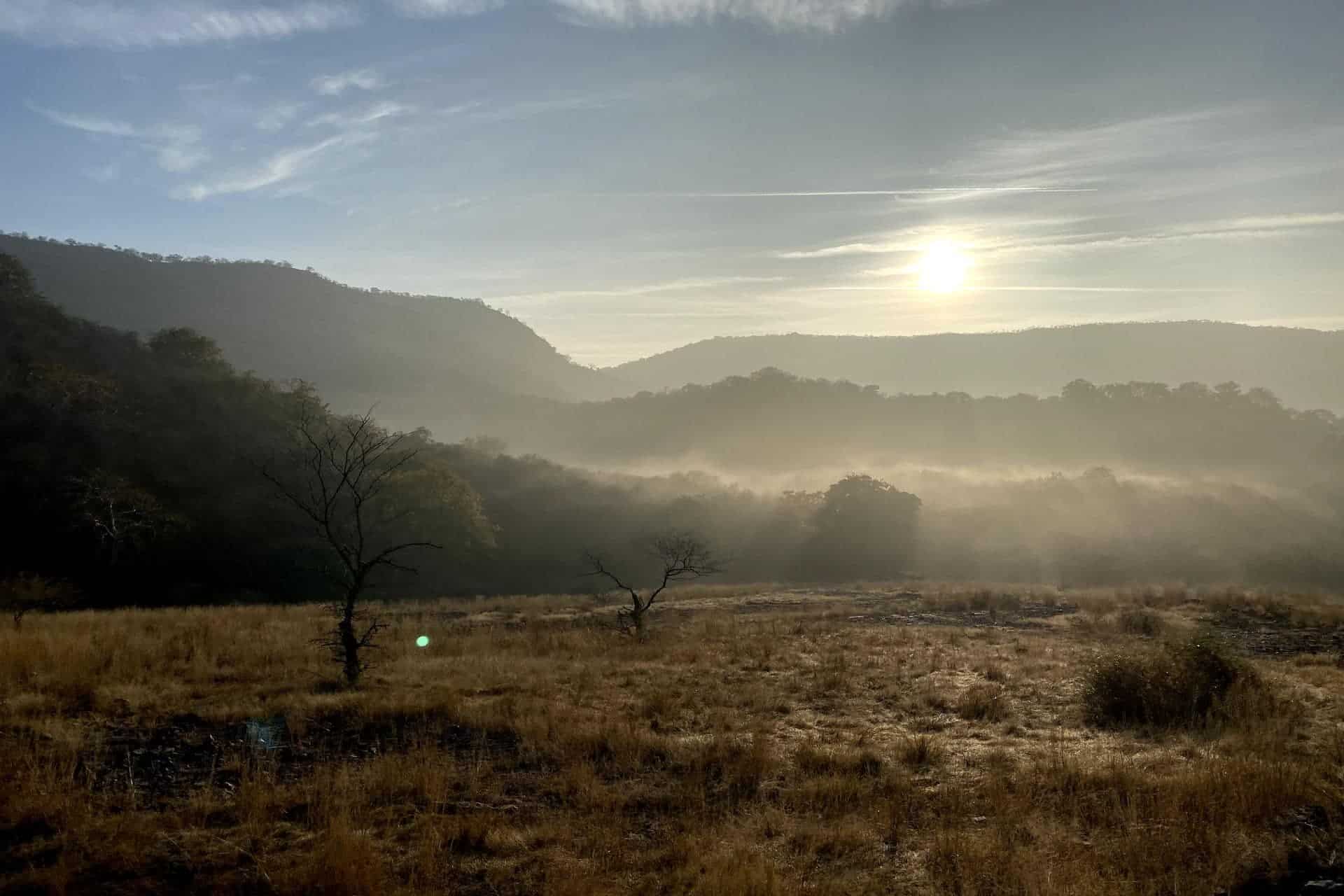
Halfway through the fight and the trek, I realised the value of being always attached to a smartphone. When things get ugly, you can retreat into it. Without it, there is nothing, just a diffused anxiety you have to sit with when hostilities pause. Thankfully, there was the beauty of the landscape: untouched meadows, no plastic, no people, no horns, just silence and the mountains all around us.
We were exhausted by the time we got to the village. A homestay gave us a simple Ladakhi lunch and a welcome swig of chang, the locally brewed liquor. We hiked back to Stonehedge, and our guide, also an Amchi or traditional Tibetan healer in the hotel, told us about the medicinal value of wildflowers. We sat in a stunning wildflower meadow and had Ladakhi butter tea.
The next day, still not talking to each other, Malini and I headed out to the desert dunes nearby for an outdoor picnic. The sun was setting as we sat facing the Karakoram. Right after a sundowner, I blurted out that growing up in a conservative middle-class family in Chennai in the 1980s was not easy for a rebellious teenage girl. There were the comments, the insistence that you follow arcane rules, and sarcasm and finger-pointing when you didn’t. “Maybe that’s why I am so conservative about some things,” I mumbled to my daughters. “It has given me these triggers I cannot seem to overcome.” Their eyes widened and they began asking questions. My husband watched, uncomfortable with the whole conversation. But with no phone at hand, he had nowhere to hide. An hour later, we all sat together, holding hands, anger forgotten.
That night, I went to my daughters’ room with a bottle of chang. We spoke for 4 hours, finally saying everything we’ve needed to say for years. We argued about expectations, about parents refusing to realise that their daughters are adults, and about daughters who both adored and were constrained by their mothers. We cried, apologised and finally slept.
Geography, they say, changes history. For our family, Ladakh’s magnificent landscapes will be forever etched with memories of what it means to be a family, with all the beauty and messiness that goes along with such intimate relationships. One thing is certain: we want to return to Ladakh, either together or by ourselves. But whether with or without our phones, we’re still undecided.
Shoba Narayan is an independent writer based in Bengaluru and a long-time contributor to Mint.






Leave A Comment